The heads of all the adult men in the village were clean shaven. However, this was not merely a new sartorial trend in the village of Muzaffarpur or a way to beat the heatwave ongoing in the month of June 2019, the second longest ever recorded in the region. The actual reason behind the tonsured heads was heart breaking. It was to mark the mourning period after the death of their young children. More than a hundred children had died due to the same mysterious affliction in a span of one month, some just a few months old, and yet there seemed to be no explanation for the cause of this dangerous ‘chamki’ fever or encephalitis that was threatening to wipe out the entire future generation of the village. All that the teary-eyed parents could testify was that the children during the early hours of morning were suddenly gripped by severe vomiting and convulsive seizures which rapidly progressed to the children becoming comatose and dying. A common feature in all these cases of encephalitis was hypoglycaemia, hyponatremia and aminoacidemia. Even the name encephalitis or acute encephalitis syndrome seems to be etiologically ambiguous as it refers to neurological manifestations caused by a wide range of viruses, parasites, spirochetes, chemicals and toxins. It has been proposed that classification into acute encephalitis (by viral agents), encephalopathy (biochemical or toxic), meningitis (pyogenic, tuberculous or viral) etc. is a better alternative for specific therapy administration (John TJ et al 2017). There were several theories hypothesized to be the cause for the outbreak. The heat stroke could have caused dehydration and hence the symptoms, however this disease seemed to affect only children even though adults too were equally parched by the heat stroke.
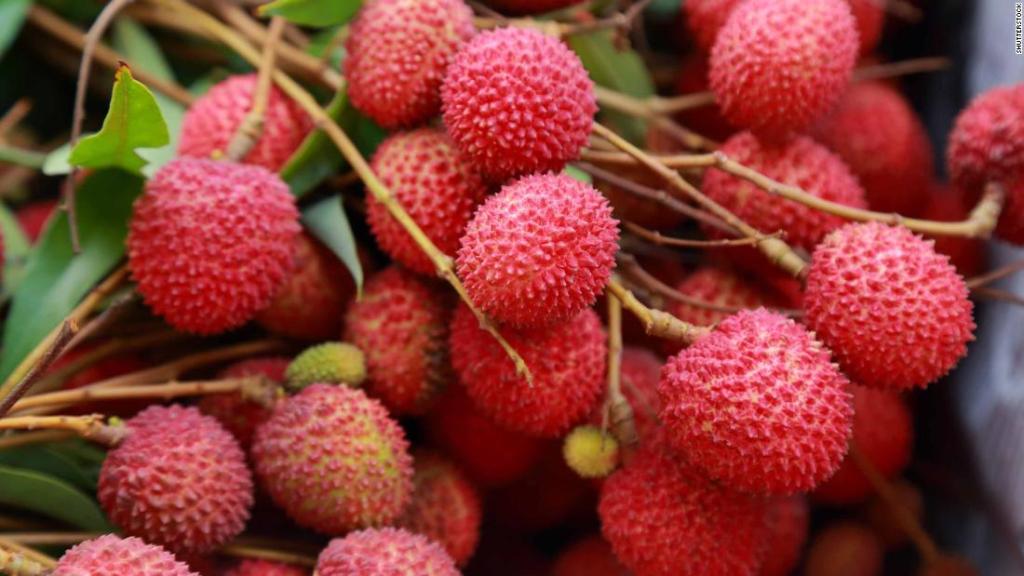
Encephalitis was often caused by viral agents carried by various vectors such as the mosquito borne Japanese Encephalitis virus which the children had not been vaccinated against. One of the most interesting hypothesis that had been put forward was regarding the litchi plants that grew abundantly in Muzaffarpur which was a part of the litchi growing belt. Litchi, a rosy red fruit with a sweet and delicious pericarp, is a member of the Sapindacaea family which also includes Ackee- a staple fruit in the Jamaican diet and the hairy Rambutan famously found on the islands of Philippines. The symptoms of the children seemed to mirror those of Jamaican Vomiting Sickness caused due to excessive Ackee consumption. So, what makes the humble and seemingly innocent fruit litchi, a possible poison? The answer lies in understanding the socioeconomic status of the affected families. These families are litchi cultivators who harvest the litchis during the summer months. Their mud walled houses which were now deserted due to the wave of disease fear, were once overcrowded with people- children, adults and pets alike. The hollow promises of the government seemed like a mirage when one witnessed the emaciated children of the village. After exhausting every bit of energy in the playgrounds at day the tired children often went to bed without a meal. The next meal they had was in the wee hours of morning, comprising of the unripe litchis fallen from the trees. Litchi seeds and arils contain Methylene cyclopropylglycine (HypoglycinG), a toxic inhibitor of fatty acid beta oxidation. In a study to ascertain the in vivo action of HypoglycinG and HypoglycinA (Methylene cyclopropyl alanine) these toxins were infused into rodents and the rates of hepatic gluconeogenesis, ketogenesis and amount of hepatic acetyl CoA were assessed. The mechanisms of inhibition proposed were various – (a) depletion of Acetyl CoA which allosterically activates pyruvate carboxylase (first step of gluconeogenesis)(Bender DA Harper’s) (b)Increases Butyryl CoA, an allosteric inhibitor of the same enzyme (c) hepatocellular energy charge depletion (ATP/ADP) (Yang Qui et al 2018) The study found that administration of MCPG in overnight fasting mice was associated with rapid depletion of short chain acyl CoA (eg Acetyl CoA) and the accumulation of long chain acyl CoAs in the hepatocytes, however no rapid changes in plasma glucose or endogenous glucose was observed. Also notable was the reduction in plasma betahydroxybutyrate levels by 48%. All these seem to confirm the action of HypoglycinG as a beta oxidation inhibitor. Interestingly administration of Methylene cyclopropylaceticacid or HypoglycinA rapidly induces hypoglycaemia and intravenous glucose infusion is needed to maintain euglycaemia in the animals.
In conclusion it was found that MCPA depletes acetyl CoA by inhibiting the oxidation of short chain CoAs. Beta oxidation is an important source of reducing equivalents in oxidative phosphorylation so the findings also included significant decrease in ATP/ADP and ATP/AMP ratios. Due to reduction in gluconeogenic precursors and energy charge hepatic glucose production is largely impaired. The next question that arises is regarding the exact step of beta oxidation targeted by the Hypoglycins. In beta oxidation saturated fatty acyl CoAs are broken down as in an automated cleaving machine that neatly chops off two carbons at a time and the cycle continues till all, but four carbons remain which are converted into two acetyl CoA molecules thus terminating the process. If the fatty acid has an odd number of carbons Propionyl CoA is formed which is the only gluconeogenic precursor formed directly from a fatty acid. The reactions taking place are – (a) Acyl CoA dehydrogenase oxidises the acetyl CoA to a double bond containing trans enoyl CoA using FAD as a cofactor (b) Enoyl CoA hydratase saturates the double bond by throwing in a water molecule to form a L-3-Hydroxyacyl-CoA (c) L-3-Hydroxyacyl-Coa dehydrogenase uses NAD to form 3-Ketoacyl CoA (d) Thiolase adds CoA-SH to form a lighter Acyl CoA relieved of two Carbons and an Acetyl CoA molecule hilariously reminiscent of Obelix and Asterix of the famed Asterix Comics (Botham KM Harper’s).
The chemical mechanism of action of MCPA-CoA is thought to be primarily through suicide inhibition of Short Chain Acyl CoA Dehydrogenase (SCAD) and to a lesser extent by inhibiting the Medium Chain Acyl CoA Dehydrogenase (MCAD). Hence MCPA causes decrease in Acetyl CoA as well as increase in Butyryl CoA due to the enzyme’s specificity to C4 and C6 CoAs. MCPG action is through its adduct MCP-formylCoA. It causes a reduction in short chain acyl CoAs and increase in long chain acyl CoAs and seems consistent with inhibition of MCAD by covalent modifications of Flavin prosthetic groups by a suicide reaction. However, this is a rather misleading evidence as in actuality MCPG inhibits short chain enoyl CoA hydratase in mitochondria. Administration of these toxins leads to decreased pyruvate carboxylase flux (by 75%) due to Acetyl CoA (allosteric activator) depletion as well as decreased ATP stores and hence decreased gluconeogenesis. Another hypothesis was that free CoA was depleted due to it being sequestered as adducts such as MCPA-CoA and MCPF-CoA but the levels of hepatic CoA was not seen to have significantly decreased. MCPA was found to be a more potent toxin as compared to MCPG in all experiments (Yang Qui et al 2018). Hence solid evidence has been experimentally found to strongly suggest that the temporal and spatial association of the litchi harvest season in the litchi growing belt of Muzaffarpur with the outbreaks of encephalopathy related deaths in children are not a mere coincidence. The concentration of MCPG is threefold higher in the semi ripe fruits eaten by the poor children and when these are eaten in large enough quantities it can lead to the symptoms of hypoglycaemic encephalopathy similar to that seen in the hypoglycaemic coma associated with unripe ackee fruit induced Jamaican Vomiting Sickness.
The major conclusion that one can draw is that the it is the combination of poverty and overnight starvation which led to the increased dependence of the children’s bodies on gluconeogenic pathways as the main source of endogenous glucose due to lack of glycogen stores to supplement blood glucose levels by glycogenolysis. The litchis merely served as a precipitating factor of the illness by blocking the only source of glucose to the glucose hungry brain. All that would have been needed to prevent such a calamity would have been to simply ensure that the children had a meal before going to bed. However, considering the state of extreme deprivation that the families here live in, in the midst of political apathy even one square meal seems too much. Recently there has been growing interest in alternative brain fuels like lactate but under normal physiological conditions the brain is obligatorily glucose hungry as it cannot synthesize glucose de novo or store substantial amounts of glycogen in astrocytes (P E Cryer, 2007). The effects of hypoglycaemia on the brain are varied and specific to the various regions of the brain and can be studied by intravenous insulin administration to induce iatrogenic hypoglycaemia in rats.
Hypoglycaemia may be associated with tremulousness, cold sweating, headache and confusion. It can also lead to focal and generalised seizures and these symptoms may eventually progress to coma and death. The seizure effects of hypoglycaemia were directly mediated by the action of insulin on electrolyte transport on the neuronal cell membrane which causes an increase in influx of Na and K into the brain thereby increasing tissue osmolarity and causing cerebral oedema (Arieff AI et al 1974). Hence the abrupt release of Insulin following a meal of litchis (or anything else for that matter) may also be a precipitating factor for hypoglycaemic coma but very unlikely under physiological regulation of insulin secretion. However, as hypoglycaemia persists there is also a depletion of energy supplying substrates like glucose, lactate and glutamate in the brain, an event that coincides with the onset of hypoglycaemic coma. Prolonged hypoglycaemia eventually leads to neuronal death. This occurs by various mechanisms such as glutamate release and activation of glutamate receptors, ROS production etc. Under very long episodes of hypoglycaemia (glucose levels less than 18mg/dl) glucose reperfusion was found to be acting like Mr Hyde rather than Dr Jekyll as it causes NADPH oxidase reactivation in the ETC and increased hypoglycaemic superoxide production and more neuronal death. These effects were reduced by inhibitors of the enzyme. Under these rare conditions plasma glucose levels need to be cautiously increased, carefully avoiding hyperglycaemia. However, under most clinical settings such episodes of profound hypoglycaemia are rare and hence glucose reperfusion is the go-to remedy for all cases of hypoglycaemia (P E Cryer,2007).
The main conclusion to be drawn by these studies was that there is increasing risk of brain dysfunction and neuronal death with decreasing plasma glucose levels and the main remedy for the encephalopathy cases in Muzaffarpur is administration of 10% dextrose solution as well as 3% saline (to reduce cerebral oedema) in all suspected cases to prevent brain death and also to buy time for further investigations to be done to reach the accurate diagnosis. This simple remedy might have helped save several of the innocent lives that were lost over the past 15 years. In cases of ackee fruit poisoning Thiamine administration has also been shown to be beneficial (K L Manchester, 1974). The blood samples and CSF samples of the children were assessed for various viruses like JE and Adenovirus and majority of the assays gave negative results thereby reasonably negating the hypotheses that the cause of the outbreak was a virus (unless it is a new hitherto unheard-of virus). The samples tested positive for abnormally high levels of acylcarnitine and abnormal urinary organic acid profiles with increased ethylmalonic acid, glutaric acid and adipic acid, (Aakash Srivastava et al 2017). Another way that the toxic Hypoglycin causes CNS symptoms is by releasing amino acids which causes cerebral oedema. Branched chain amino acid aminotransferase is inhibited by 50% and so is Isovaleryl CoA dehydrogenase (Klaus Melde et al Biochem J 1991). This results in 500-550% increase in branched chain amino acid levels in blood. This situation seems to be a slight mimic of the situation seen in glutaric acidemia. Organic Aciduria is also seen due to accumulation of long chain fatty acids, free acids and glycine conjugates were also formed by degradation of the branched chain amino acids. Usually hypoglycaemia in paediatric patients is treated by infusion of 5% dextrose however this concentration is not helpful in clearing the toxic amino acids in the blood stream hence the therapy emphasizes on the need to infuse 10% dextrose for all suspected cases. Studies regarding the relative concentration of MCPG in the various stages of maturity of the fruit during the ripening process may also be valuable to prescribe guidelines regarding the consumption of litchis. However, the main plan of action remains ensuring a cooked meal is given to children at night to prevent early morning hypoglycaemia and the implementation of this action plan remains largely dependent on the public reform measures to be taken by the government.
Several counter arguments have also been raised regarding the question of whether litchis are the true culprits. These revolve around the reason why outbreaks occur only in the summer or if pesticides like alphacypermethrin could be the actual cause however none have been proven conclusively. The litchi that has recently acquired a position of notoriety has not always been so disfavoured. The litchi has been used in traditional medicine such as Chinese ancient medicine and Ayurveda for several hundreds of years. It has been reported to have anticancer, anti-inflammatory, antifungal, antiviral, antioxidant, antiplatelet, anticoagulant and antidiabetic effects. (Yan Long et al 2015). The discovery of Hypoglycins though not very recent can have implications that resound far and wide into the future of medical science. Insulin injections has long been the last resort for patients of DM type 1 and longstanding DM type 2 not controlled by sulfonylurea drugs. This is an invasive procedure that causes unnecessary discomfort to the patient on a daily basis simply due to the lack of a better alternative. Development of oral hypoglycaemic agents can indeed help improve the standard of living of these patients to a huge extent. Hypoglycins found naturally in the fruits of ackee and litchi can be clinically tried as a potential antidiabetic agent. The reduction in acetyl CoA mobilization by beta oxidation due to these hypoglycins causing lack of precursors for cholesterol biosynthesis also opens up an exciting possibility of using Hypoglycins as a hypocholesterolemic agent as a possible replacement to statins which are known to cause various side effects such as rhabdomyolysis, memory loss, neuropathy etc. The Hypoglycins may also have implications in treatment of cancer and cachexia. Cancer Cachexia is a wasting syndrome characterized by weight loss, anorexia and anaemia. Cachexia is so destructive that it taps into other energy sources such as skeletal muscle and adipose tissue making an activity as normal as walking seem like a Herculean task. It impairs the persons immune system causing increased susceptibility to infections and increased sensitivity to adverse effects of chemotherapy and radiotherapy, all in all negatively affecting the prognosis of the patient.(R Dhanapal et al 2011) Cancer cells voraciously undergo anaerobic glycolysis using up blood glucose and forming lactate as a by-product and this lactate is used as a gluconeogenic precursor to form more glucose which is carried by the blood to the glucose stealing cancer cells which grow more rapidly. Also, cancer cell proliferation involves various biosynthetic reactions which are highly dependent on glycolysis intermediates. The gluconeogenic enzyme PEPCK also has a unique role allowing conversion of TCA cycle metabolites into glycolytic metabolites. Inhibition of gluconeogenesis hence can help reduce rate of proliferation of cancer cells which has often been speculated to be one of the tumour suppressive actions of the tumour suppressor gene p53 (Leithner K et al 2014). Gluconeogenesis also increases glucose flux by extracting energy from adipose tissue and skeletal muscle to form gluconeogenic precursors which plays an important role in the development of cachexia in cancers. Since Hypoglycins also inhibit gluconeogenesis, they can play a pivotal role in treatment of cancers and cachexia.
The doors of research into the possible usage of Hypoglycins in the treatment of various incurable diseases that have long plagued mankind have been opened wide by the recent outbreak in Muzaffarpur which has refocussed the attention of the scientific community towards the long discovered and ever since forgotten Hypoglycins. However, the emergency at hand is the immediate prevention of the ongoing deaths of children in Muzaffarpur. The only ray of hope will be if the medical fraternity and government chooses to act together to ensure elimination of malnutrition and prevention of misdiagnosis in handling these cases to prevent the unnecessary loss of even one more life. The media reporting of the subject must also be scientifically accurate to prevent social fear and losses to the litchi farmers. Sigh… Until then the litchi shall continue to bring crinkled lines of anxiety on my mom’s forehead as she strictly forbids me from eating the newly deemed to be ‘toxic’ fruit that has always been one of my childhood favourites.
References
- Cerebral Edema in diabetic comas, effects of hyperosmolality,hyperglycemia and insulin in diabetic rabbits: AI Arieff, CR Kleeman, A Kerian
- Effect of hypoglycaemia on aminoacid and protein metabolism in healthy humans:
- A Battezati, S Benedini, A Fattorini
- Harper’s Biochemistry 31st Edition ch19: DA Bender, PA Mayes
- Harper’s Biochemistry 31st Edition ch22: KM Botham, PA Mayes
- Hypoglycaemia, functional brain failure and brain death: PE Cryer 2007
- Lychee associated acute hypoglycaemic encephalopathy outbreaks in Muzaffarpur, India: M Das, T J John
- Cancer Cachexia: JOFMP 2011 R Dhanapal, TR Saraswathi, RN Govind
- PCK2 activation mediates adaptive response to glucose depletion in lung cancer: K Leithner, A Hrzenjak, M Trotzmuller 2015
- Genetic Analysis of litchi in China by RAPD and ISSR: Y Long, J Cheng, Z Mei
- Biochemistry of Hypoglycins: KL Manchester 1974 FEBS Letters
- Metabolic Consequences of MCPG poisoning in rats: K Melde, S Jackson, K Bartlett
- In Vivo Studies on the Mechanism of Methylenecyclopropylaceticacid and Methylenecyclopropylglycine Induced Hypoglycemia: Y Qiu, R. J. Perry, J Paulo Biochem J 2018Mar20
- Association of acute toxic encephalopathy with litchi consumption in an outbreak in Muzaffarpur, India, 2014: A Shrivastava, A Kumar, JD Thomas 2017 The Lancet
 Nanditha’s Neural Nebula