As the pandemic raged on and unprecedented circumstances forced all learning to shift online we students were met with yet another roadblock. The extremely anticipated exchange program that our college offered to students every year to broaden our horizons and understand the medical education and healthcare systems in place in different countries was also brought to a standstill owing to international air travel restrictions. However knowledge did continue to flow freely on online portals and I had the immensely rewarding experience of taking part in an online module on learning across cultures conducted by the prestigious Karolinska Institute in Solna, just off the outskirts of Stockholm the capital of Sweden.
After updating my profile on the official website, I proceeded to access the learning modules.
My first module was a crash course on how to become a competent inter-cultural communicator. In an increasingly diverse world with each country being a melting pot of cultures the necessity to develop a culturally sensitive viewpoint is imperative. Like any self-transformation exercise this endeavour too began with a self-evaluation questionnaire that enabled me to identify my strengths and weaknesses as far as being an efficient communicator in multicultural scenarios were concerned. I realised that though my strengths lay in problem solving and collaboration my lack of awareness regarding social practices and the roles played by social and political actors downplayed my ability to successfully galvanise my team to achieve a common goal or my ability to provide the best possible care to my patients who come from culturally diverse backgrounds.

What struck me as a surprise was that bang in the middle of the three hour course was a ten minute yoga break that was incorporated to improve oxygenation and concentration levels of the participants! Despite being a yoga enthusiast who does 108 surya namaskars (sun salutations) on a daily basis, I found some of the poses quite challenging as every neglected joint and sinew was twisted into various postures as directed by the tutor. The short break left me feeling refreshed and ready to resume my learning. It also left me with immense appreciation of the holistic approach of including the physical and mental health of the students too as an indispensable part of the curriculum regardless of the duration of the course in question.
“We don’t see things as they are, we see things as we are”- Anais Nin (French Cuban author)
Lustig and Koester defines culture as a learned set of shared interpretations about values, beliefs, norms and social practices that affect behaviour.
Culture as we know it is definitely not an inherited concept. Instead it is learnt through observation and explanation during the course of our lifespans.
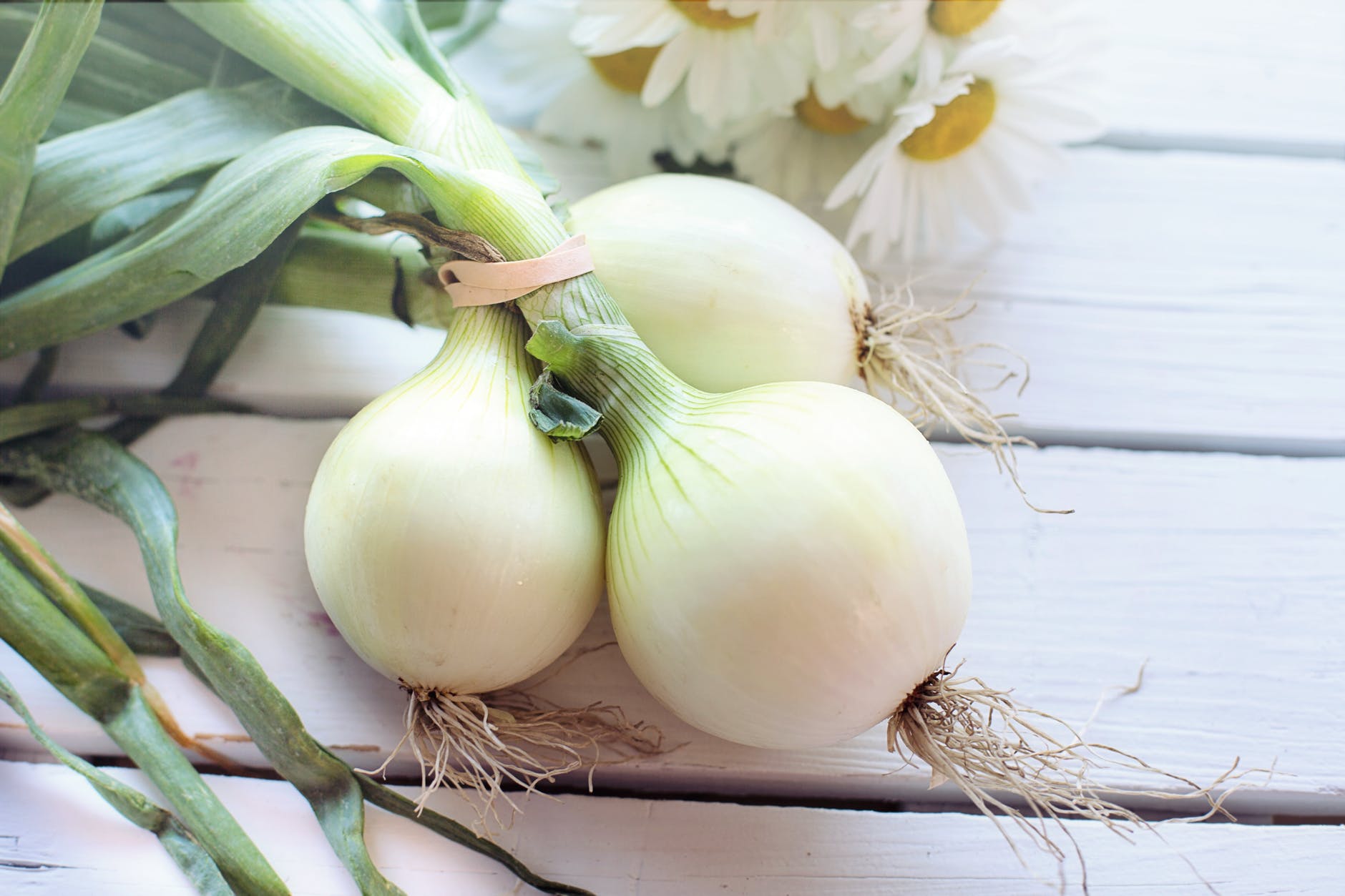
The course instilled in me an understanding that culture could be compared to an onion with multiple layers [Hoffstede 1991] and viewing a person as having only a single layer and disregarding their existence as a multi-faceted personality does a gross injustice to their personality. Instead one must endeavour to peel off the layers of national, regional, organisational, gender, family and religion which are all essential to an individual’s identity.
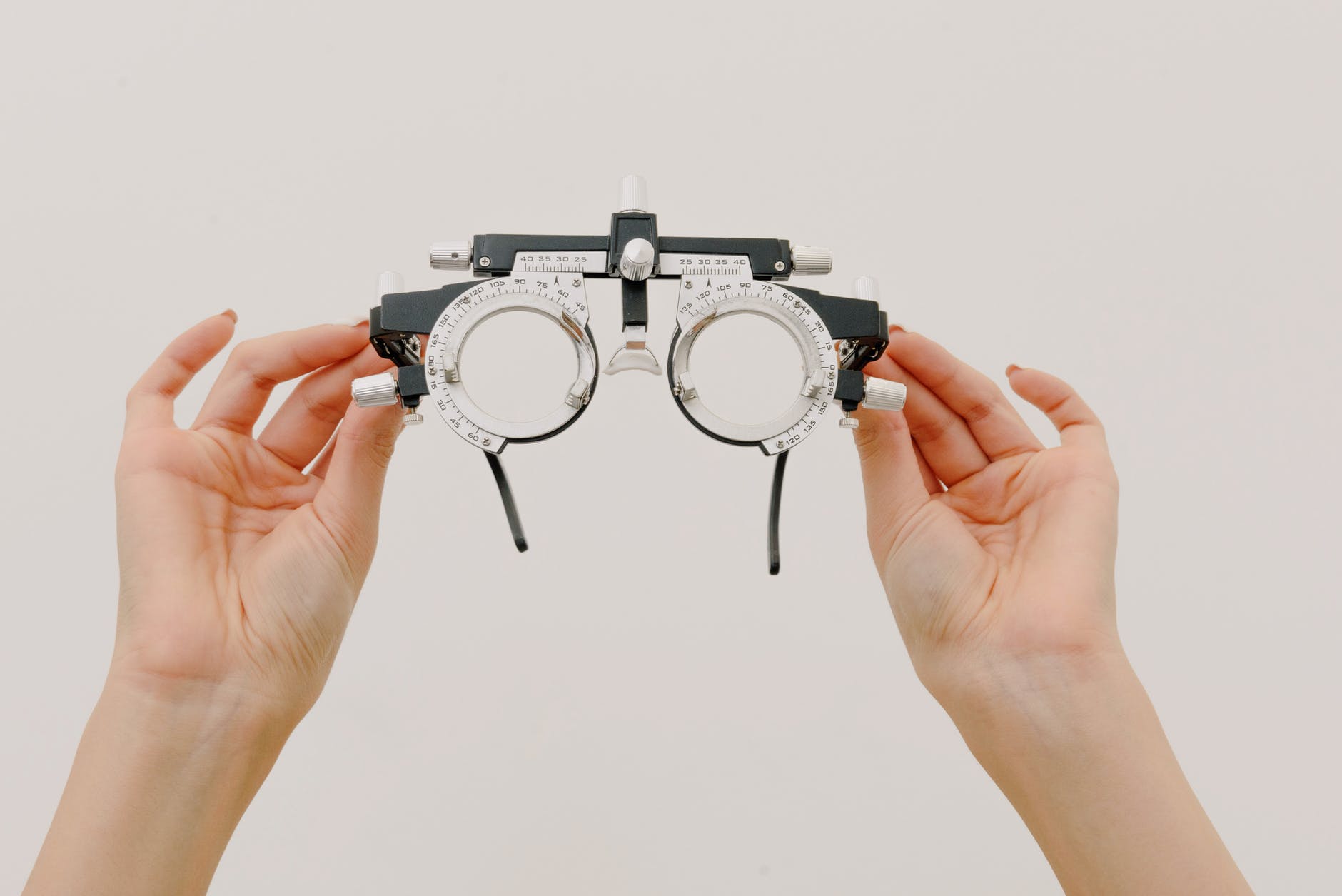
Culture could also be thought of as a pair of glasses [Berardo and Deardoff 2012] that we put on while we evaluate others around us through the filters of our own values and beliefs. This is why exchanging glasses with others around us becomes necessary to have an unbiased perspective. Hence we could work with the common motto “Let’s strive to take off our cultural glasses and see the world through another lens”.
This makes me recall a really interesting scenario that took place during my very first community health posting in our college. Our class comprising of 100 students was divided into 2 groups and sent to two different rooms. One was christened alpha land while the other was beta land. I was a member of alpha land. As proud citizens of alpha land we were instructed to not use any verbal communication but instead communicate through gestures like bowing before elders or shaking hands in a particular manner etc. We were instructed that any visitor who happened to visit us were expected to follow all of our rules and if they didn’t they were give three chances to rectify their error, failing which they would be thrown out of our country. However they had to learn by watching us, as we were not allowed to communicate with them using words. Soon enough we got a few visitors from beta land and as expected they were confused by our highly peculiar rituals and they couldn’t seem to make head or tail of what we were upto! We alpha people were of course simply delighted at their bewilderment and gleefully counted their three errors each, before the most muscular boys of our group literally shoved the visitors of beta land out of the door over issues such as not bowing before our ‘elders’! Soon we too got an opportunity to visit beta land and so we went over to their territory, a little fearful that we too may meet the same fate as they did when they visited us! However much to our amusement the beta people were not in the least bothered about our presence, neither did they seek to avenge their dishonoured team members who were thrown out by us. All they seemed to be interested in doing was engaging in collecting animal cards. The needed to collect three similar cards and they had to signal the cards they had by making animal sounds so that anyone else with the same card could barter with them They would then exchange those cards for cash. We Alpha people were almost rolling on the floor crying tears of laughter hearing them oinking, mooing and bleating with desperation. Ultimately this experiment served as a reminder to us of how when we visit a new land knowing a little bit about their cultural practices can go a long way in helping us establish an amicable interaction with the people who live there.
Koester and Olebe defined competent intercultural communication as interaction that is perceived as effective in reaching certain objectives in a way that is also appropriate to the cultural context in which the interaction occurs.
This incorporates an eightfold approach as follows.
1)Display of respect- can be done by verbally using polite pronouns and ensuring a friendly non- verbal interaction ( such as smiling, avoiding a hostile posture etc)
2)Orientation to knowledge- learning a few key phrases in the local language as well as few cultural practices like the appropriate way to greet someone in each country can go a long way in establishing good communication.
3)Empathy- feel how life is for someone else on an emotional level
4)Interaction Management- have clear cues on how to start and end conversations, how to take turns to speak, how not to dominate the discussion and instead make room for everyone to express their views.
5)Task role behaviour- Listen actively to what others have to say and don’t alienate anyone, try to understand the best possible method that would enable the group to work together finish the task at hand.
6)Relational role behaviour- speak clearly and simply, have ground rules in place during group work and ensure that each team member has a defined role and responsibility that is agreed upon right at the beginning by all the members so as to avoid confusion and unnecessary conflicts.

7)Tolerance for ambiguity- Being calm and composed in the face of unpredictable scenarios, not responding in a hostile or sarcastic manner but instead being willing to adapt to changes is indeed a sign of good leadership and competent intercultural communication.
8)Interaction posture- While delivering feedback strive to do it in a non-evaluative, non – judgemental manner, give feedback towards behaviour and not towards the personality.
I also learnt about how to respond to critical events that serve as a turning point in our life and causes us to pause and think about our surroundings and reconsider the systems in place around us. The appropriate way to respond to such situations could be abbreviated as OSEE [Beardo and Deardoff] which stands for Observing, Stating things exactly as they are without any tints of individual prejudice, Exploring different explanations for the course of event and lastly Evaluating and reaching a conclusion as to which explanation was most likely and if necessary seeking the assistance of superiors or cultural guides to arrive at an accurate conclusion.
The second module made me sit back and wonder about how historical disadvantages summed up over years to shape the world that we live in currently.
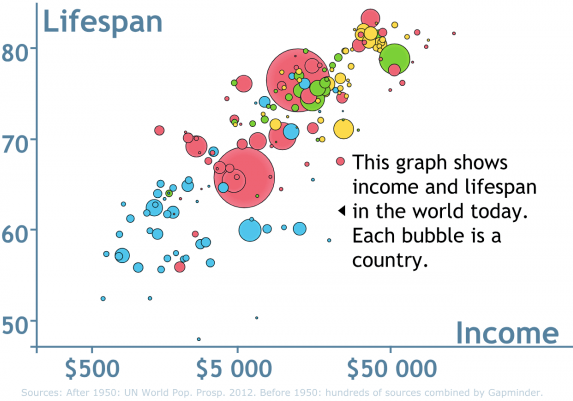
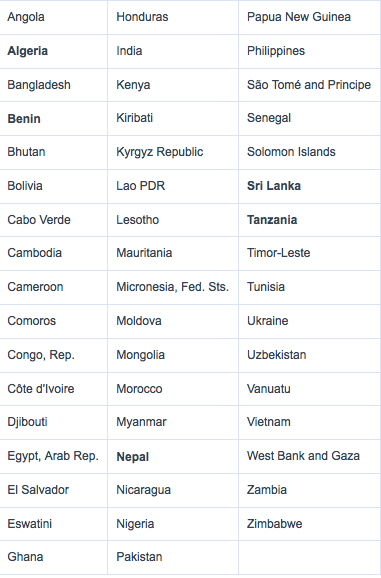
The above graph compares the incomes of countries with their average life expectancy. The second table taken from the World Bank website shows the position of India as a lower middle income country. As professor Hans Rosling magically waved his hands in the air and went through the changes in the graph over 200 years in a mere 4 minutes I was awestruck at how the Asian and Sub Saharan African countries remained at a disadvantage owing to years of colonialization while the European and American countries marched forwards steadily towards higher incomes and better health outcomes despite occasional setbacks such as the Great Depression and the Spanish Flu epidemic. He also emphasised the disparity that was rampant even within a single bubble that represented a single country with the bubble of China’s Shanghai being high up amidst the well to do nations like Luxembourg while the poorer Chinese region of Guizhou was pushed way down amongst the African nations. There was also an increasing trend towards non-communicable diseases(diabetes, cancer etc.) becoming the major cause of death as the income of a country improved while the lower income countries still had infectious diseases as the major chunk of their causes of death along with high maternal and infant mortality rates.
This also made me recall another really interesting anecdote from the community medicine classes in our college. We were divided into several groups named after different countries and each group was given a set of materials like paper, pencils, scissors, scales, compasses etc and were asked to cut out certain shapes like squares and circles of a predetermined size and then exchange those for money at the World Bank station in front. As luck would have it I was allotted to China! So my team mates and me diligently set to work furiously cutting up shapes and greedily monetising our efforts as soon as they were ready. As we were busy in our work we were often interrupted by people coming from other groups asking us if they could borrow some pencils or scales etc. My team mates found these disturbances irritating and as such we were fast running out of paper. So we struck a deal with our neighbour Cuba for 10 sheets of paper in exchange of a pencil. However as we noticed the enormous stack of paper on the Cuban table our greed knew no limits and we started extorting them for 20-25 sheets for a measly pencil! While all this was happening the market too was facing changing constantly with circles being the most valuable at one point and then suddenly the world bank changes its stance making triangles the most lucrative shape! Eventually the US ended up ranking first on the leaderboard of money made and then we all sat down to analyse the activity and our performances. This was when our professor enlightened us to the fact that each of the countries had been given different quantities and qualities of resources. While we as China were lucky to have all the materials needed for producing the shapes some countries like Cuba or Congo had only got paper and no tools at all- as a reflection of their immense natural wealth but lack of other resources. No wonder they had to beg and borrow so desperately from us and their other neighbours! What is striking is that this is exactly the drama that play out on an international level in the field of international trade on a daily basis.
This made me sit back and wonder about how relevant this scenario was even in the present day COVID crises with the wealthier nations having enough and more vaccines to inoculate all of its citizens while the rest of the world was finding it hard to procure enough doses to even vaccinate the most vulnerable of their populations. Unfair isn’t it ?!!! Unfortunately that remains the truth of today’s global healthcare scenario.
In summary the module served as an eye opener to me regarding the various economic, cultural and political disparities that exist in the world and how they impact the field of healthcare while also serving as a guide to improve my inter cultural communication skills.
 Nanditha’s Neural Nebula