Role of infections in atherogenesis of cerebrovascular diseases

Introduction

Traditionally atherogenesis has been considered within the domain of non communicable lifestyle diseases affecting the affluent sections of human population while communicable diseases and infections have been the cause of languish in the developing world. However the lines of division between these two high mortality disease causing pathologies are increasingly becoming blurred compelling us to possibly investigate a causative interdependency between infections and the process of atherogenesis.

Burden of atherosclerosis

Cerebral vasculature Atherogenesis has been implicated in the causation of various common neurological disorders such as recurrent strokes, dementia and Alzheimer’s disease.(1), (2)

The burden of these diseases in the present world is indeed very high with statistics from India for the duration from 1960 to 2018 showing that the prevalence rate of stroke in the Indian population inclusive of urban and rural population, varied from 44.54 to 150/100000 during this time period.  The 30 days case fatality rate of stroke was also quite high and came up to around 42%.(3)

Hence it indeed becomes absolutely imperative for us as citizens of a developing country that is fast pacing on the road to becoming a developed country to look into how do infections influence the risk of strokes and Alzheimer’s as our population is exposed to both a high burden of infection as well as a rapidly developing obesity and lifestyle disorder epidemic.(4)

Mechanisms of atherogenesis in cerebral vasculature

Ischemic Strokes have been classified into the following 5 types by the TOAST classification – 1) large-artery atherosclerosis, 2) small-vessel occlusion, 3) cardioembolism, 4) stroke of other determined etiology, and 5) stroke of undetermined etiology.(5)

In blood vessels the Pathogenesis of atherosclerosis is explained by the response to injury hypothesis whereby endothelial injury causes lipid deposition and plaque formation in vessel walls which eventually cause arteries to become critically stenosed or plaques to rupture thereby compromising the blood supply to various organs and causing as a result of ischemia various clinical syndromes. (6)

What is also interesting is that it has been noticed that intracranial vessels tend to develop atherosclerosis about 20 years later than extracranial vessels due to low endothelial permeability, a special glycocalyx, and other enhanced protective mechanisms against oxidative stress which can suggest the presence of a barrier function. In early years of life, the compliance of the aorta and carotids tend to maintain a low pulse pressure in the intracranial arteries, retarding the development of intracranial atherosclerosis. With increasing age and accelerated by other risk factors like hypertension, diabetes mellitus, and an enhanced stiffness of aorta and carotid arteries, the protective effect of a low pulse pressure is lost, and the enhanced pulsed-wave propagation may become a major driver of intracranial atherosclerosis.(7)

Atherosclerosis currently is fast developing a reputation as a disease which is no longer solely attributed to the high lipid content of the body. New insight into the disease pathogenesis has demonstrated it to be a disease of much greater ramifications. Novel risk factors such as hyperhomocysteinemia, infections and systemic lupus erythematosus have also emerged. Hence as per the new thinking atherosclerosis has come to be regarded as a chronic inflammatory disease with an autoimmune component.(8) 

Role of Infection as a key player in the Pathogenesis of atherosclerosis

It has been hypothesised that low grade infections might be one of the causes of the inflammatory reaction observed in atherosclerotic lesions reflected in raised concentrations of CRP. Studies have shown that CRP might promote atherosclerosis locally by activating the complement system and inducing foam cell formation.(9) Several studies have shown that recent infection including upper respiratory tract infections and UTI’s have been associated with an increased risk of acute strokes in the immediate period following the infection. (10) There are several reasonable biological explanations that exist to explain the increased risk of ischemic stroke associated with infections.

It is a well known fact that severe infections are associated with hypercoagulability and platelet activation that contribute to tissue ischemia and necrosis of organs during sepsis and  even subseptic infections increase platelet reactivity and platelet – leukocyte interactions, leading to a greater risk of platelet aggregation, potentially precipitating stroke.(11) (12)Additionally infections also impair endothelial function. Studies have shown that raised Leukocyte count (indirect marker of infection) is associated with reduced endothelial reactivity(13).Infections may also transiently impair endothelium-dependent relaxation. In addition not infrequently one hears of the term ‘aspirin failure’ used to describe the patient who despite taking aspirin regularly had an ischemic stroke. One plausible explanation for this could be that the dose of aspirin being used is appropriate at most times, but that at one particular point in time, perhaps due to the transient presence of a stroke- prone state in the patient due to infections the dose becomes insufficient and ‘breakthrough’ strokes may occur. Hence this could justify the thinking that the threshold of disease may change transiently due to infective etiologies, and therapy may need to be altered accordingly. (12)

Bacterial infections and their role in cerebral atherogenesis

Chlamydia pneumoniae

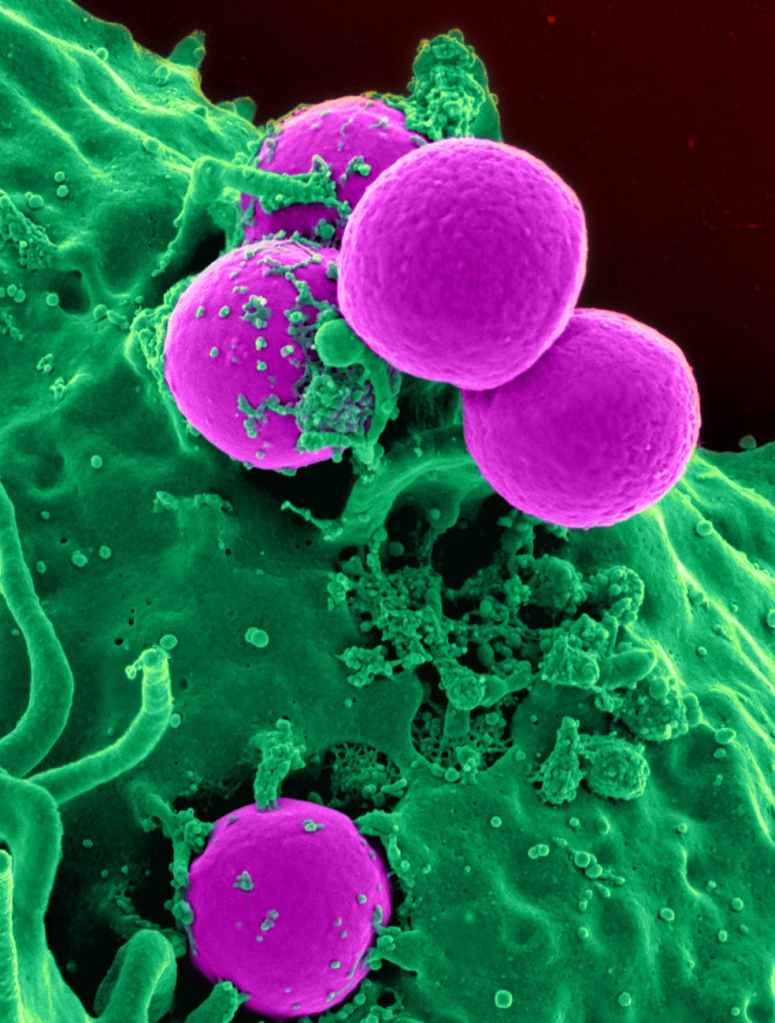
The idea that bacteria could cause atherogenesis surfaced in 1988 when a study published in the The Lancet observed that the bacterium Chlamydophila pneumonia was frequently present in artery-clogging deposits. C pneumonia is a common respiratory pathogen causing community-acquired pneumonia, bronchitis, sinusitis, and upper respiratory tract symptoms. Animal experiments have demonstrated that C. pneumoniae can initiate early atherosclerotic changes in the aorta without hyperlipidemia (14) and can accelerate atherosclerosis in the presence of hyperlipidemia.(15)

In order to play a causative role in chronic disease, C. pneumoniae would need to persist within infected tissue for long periods of time hence stimulating a chronic inflammatory response. It disseminates systemically from the lungs through infected mononuclear cells and tends to localize in arteries where it infects endothelial cells, vascular smooth muscle cells, monocytes/macrophages and promote inflammatory atherogenous process (16)Chlamydiae is notorious for causing chronic infections, and treatment failure is common. These infections and failures may be due to its unique ability to establish of a nonreplicating and noncultivable intracellular growth stage resulting in a long-term relationship with the infected host cell. Atherosclerotic disease progression is associated with higher levels of antibodies due to chronic infection and repeated infections. In a relatively large case-control study, the presence of antibodies to C. pneumonia was found to be associated with stroke or transient cerebral ischemia (17) and Chronic C. pneumoniae infection itself may be associated with a serum lipid profile that predisposes to atherosclerosis(18). The mechanisms by which C pneumoniae causes atherogenesis include – infected macrophages chronically exposed to C. pneumoniae lipopolysacharride (cLPS) may accumulate excess cholesterol to contribute to atheroma development(19), another mechanism includes causing host cells to release HSPs during their lytic phases of development which also activates human vascular cell functions relevant to atherogenesis and lesional complications(20), it also serves as a link between high serum LDL levels and an event critical to the development of the atheroma, such as the cellular oxidation of LDL by inhibiting respiratory burst and induces a selective release of myeloperoxidase without promoting superoxide production and this myeloperoxidase has been proposed to play an important role in the oxidation of LDL in vivo.(21), (22) and lastly it also upregulates production of gelatinise by macrophages  causing extra cellular matrix destruction and tissue damage.(23). Trials of antibiotic therapy for secondary prevention has been studied in MI and unstable angina and showed a reduction in secondary event at 1 month follow up which was however lost at 6 months follow up. suggested a benefit of newer macrolides after acute myocardial infarction or in unstable angina. (24), (25)

Helicobacter Pylori

Studies have found that Anti–H pylori IgG antibodies correlated significantly with carotid atherosclerosis when the statistical analysis was restricted to low socioeconomic status populations.(26) Chronic H. pylori infection induces a pro-inflammatory state, resulting into an increase in cytokines levels such as TNF-α, Interleukins, gamma interferons, coagulant factors – fibrinogen, thrombin and soluble adhesion molecules such as intercellular adhesion molecule (ICAM-1), vascular cell adhesion molecule (VCAM-1) which predisposes to atherogenesis.(27),(28)Also H. pylori causes atrophic gastritis, which is associated with malabsorption of vitamin B12 and folic acid. Deficiency of these vitamins causes hyper-homocysteinaemia due to interruption of re-methylation pathway. Hence, it may have a role in the pathogenesis of premature atherosclerosis.(29) H. pylori infection is associated with lower HDL cholesterol (HDL-C) and higher total cholesterol (TC), LDL cholesterol (LDL-C) and triglyceride levels.(30)H pylori also causes hypertension and increased arterial stiffness(31) with the effect being more pronounced in young patients and eradication of the bacteria results in significant reduction of blood pressure. (32)

Many studies found a higher prevalence of H. pylori seropositivity in stroke cases compared to controls. (33) There was an association between H. pylori infection and large vessel disease and lacunar stroke irrespective of other confounding factors. Cag-A positivity has also raised an interest in the infectious theory of atherosclerosis. Several studies had shown a significant relationship between Cag-A strain and CAD or stroke and carotid plaque instability.(34)

Streptococcus pneumoniae 

 The third bacteria associated with atherogenesis is Streptococcus pneumoniae. Clinical studies consistently find an increase in the risk of acute coronary syndrome (ACS) in the weeks following pneumonia. Pneumococcal infections are associated with increased atherosclerotic plaque macrophage content, a marker of plaque instability, at 2 weeks post infection. (35) S. pneumoniae infection has been shown to augment atherosclerosis and exacerbate ischemic brain injury via IL-1 and platelet-mediated systemic inflammation.(36)

Periodontal infections

Various periodontal pathogens such as Porphyromonas gingivalis have also shown to play a role in atherogenesis via causing increased prothrombotic states, oxidative stress, production of HSP60, vascular endothelial activation and Activation of Innate Immune Signaling Associated with Atherosclerosis.(37)

Viral infections and their role in cerebral atherogenesis

Cytomegalovirus 

CMV is an all too common viral infection and hence the finding that CMV associated inflammation could cause atherogensis has indeed been a subject of much interest among researchers.

Studies have demonstrated that although CMV infection is associated with elevated CRP levels, individuals vary in their capacity to control CMV inflammatory and the risk of atherogenesis is greatest in individuals who are seropositive for CMV and who also have highly elevated CRP levels.(38)  Yet another study demonstrated that CMV infection predisposed women to developing hypertension, atherosclerosis and consequent strokes.(39) Interestingly it has also been accused of causing restenosis and atherosclerosis of arteries in transplanted hearts.(40)

Herpes Simplex Virus

This virus which has been traditionally associated with temporal lobe sporadic encephalitis showing periodic lateralising epileptiform discharges on EEG has been implicated to be a major causative factor in acute ischemic stroke in children.(41)

Hepatitis Viruses

HBV shares the characteristics of an infectious agent that are required for it to be implicated in atherogenesis: HBV is an intracellular pathogen, causes systemic effects and immune responses, and may colonize in the vascular tissues; furthermore, a substantial proportion of those infected in early life go on to develop a chronic phase. Some studies argue that HBV causes a pro inflammatory and procoagulant state causing atherogenesis and ischemic stroke(42) while other studies say that it leads to anticoagulant effects and increased risk of haemorrhagic stroke.(43)

As far as HCV is concerned there are many proposed pathogenic mechanisms connecting it to atherogenesis and stroke such as HCV colonization and replication within arterial walls, liver steatosis and fibrosis, enhanced and imbalanced secretion of inflammatory cytokines, oxidative stress, endotoxemia, mixed cryoglobulinemia, perturbed cellular and humoral immunity, hyperhomocysteinemia, hypo-adiponectinaemia, insulin resistance, type 2 diabetes and other components of the metabolic syndrome. In fact interferon and ribavirin treatment appears to decrease the risk of ischemic stroke.(44)

Varicella zoster and Herpes Zoster

There has been found a relationship between high levels of anti-Varicella Zoster Virus (VZV) IgG in cerebrospinal fluid (CSF) and cerebrovascular atherosclerosis.(45) as well as waxing and waning vasculitis.(46)Herpes Zoster Ophthalmicus has also been implicated to cause stroke with  Individuals exposed to HZ or HZO having 1.3 to 4-fold increased risks which was especially true in younger patients.(47)

Parvovirus B19

 This virus that usually causes fifth disease (Erythema Infectiosum) among children and aplastic crises in SCD has also been found to cause young stroke in children and adults however this is predominantly due to its procoagulant effect causing thrombosis in cerebral vasculature especially in the MCA.(48),(49)

HIV

HIV is notorious for being an infection with myriad manifestations. HIV predisposes a patient to developing other opportunistic viral infections such as CMV and Herpes Zoster which as we have seen above predispose to atherogenesis. 75% of the strokes  that occur in PLHIV are ischemic strokes. (52)HIV itself when associated with CD4 counts lower than 200/micro litre is associated with an increased risk for developing ischemic stroke compared to those with CD4 counts of at least 500 cells/micro litre who had no such excessive risk.(50) HIV mediates increased atherosclerosis via pathways such as the NLRP3 inflammasome hyper activation, endothelial dysfunction via HIV proteins causing instability of calcium in the endothelial cells and ER stress mediated apoptosis. It also suppresses autophagy which is essential for plaque stability and removal of foam cells.(51)

COVID-19

Finally we shall end our discussion on viruses causing atherosclerosis by talking about the infamous virus that brought our world to a virtual standstill. So everyone knows how COVID-19 contributes to atherogenesis- of course by forcing all of us to lead a sedentary life at home, binging on our favourite snacks whilst engaging in Netflix and Chill! Well keeping jokes aside recent studies have in fact found a link between infection with SARS-CoV-2 and increased vessel wall stiffness in the carotid arteries which is a known risk factor for increased atherosclerotic progression. (53) Inflammation which often spirals into a deadly SIRS seen in COVID may also affect atherosclerotic plaques, induce prothrombotic changes in blood and endothelium and lead to their instability.(54) Neuropilin1 which is a coreceptor for the virus entry into the brain is also shown to increase risk of Ischemic stroke and could be the linking bio marker between the two.(55)

Fungal infections and their role in cerebral atherogenesis

The fungi of genus Candida, which are present on all parts of the body, are conditional-pathogens and cause candidiasis when host immunity is compromised. IgG antibodies to candida were associated with increased risk for ACS, and it is possible that candida can induce inflammation mediated atherosclerosis as evidenced by its presence in plaques however the causality is yet to be proven conclusively.(56)

Parasitic infections and their role in cerebral atherogenesis

There are reports of parasites causing acute ischemic stroke and brain infarcts. Cerebral malaria is thought to cause stroke owing to the occlusion of cerebral arteries by parasitised RBCs and dysregulated coagulation.(57)Neurotrichinelliasis is also known to cause microinfarcts.(58)However just as is the case with fungi causality in developing atherosclerosis has not been proven.

Vaccinations and the risk of stroke

Since infections have been found to have a plausible causative relationship with atherogenesis in all vessels of the body then it is reasonable to hypothesise that vaccinations should decrease this risk. However in reality this is a matter of debate among researchers. Pneumococcal vaccination has been shown to cause production of anti oxidised LDL antibodies in murine models. (59)One meta analysis showed that the pneumococcal vaccine reduced the risk of atherosclerosis and ACS but not of stroke. (60) However other contradictory studies claim that there is no reduced risk of stroke and atherosclerosis following pneumococcal vaccination.(61) Influenza vaccine too has been shown to afford protection against atherosclerosis through unknown mechanisms which may probably be due to reducing the risk of concomitant bacterial infections that leads to inflammation and prothrombotic states.(62) 

Another interesting development is the production of primary anti atherosclerotic vaccines against HSPs in the form of oral vaccines(mycobacteria hsp) and sublingual vaccines(p gingivalis) which showed atheroprotective effects.(63)(64) Multitarget vaccines have also been in the works against epitopes from ApoB (p45), HSP60, and Chlamydophila pneumoniae.(65)

Post stroke immune modulation

By now the causal relationship between infections and stroke has been well established by the above explanation but what is really interesting is that severe stroke itself causes changes in brain that predispose to immunodepression and the development of infections post stroke and this occurs as an adaptive response to brain ischemia.(66) and trials have shown the efficacy of administering preventive antibiotic therapy in the prevention of post stroke infections in an anticipatory basis.(67)

Gut microbiota and their influence on cerebral atherogenesis

While we have spoken of the role played by exogenous pathogens in the development of atherogenesis it is also appropriate to give a short account of the influence of gut micro biome on the same. Because the gut microbiota has close relation to inflammation and many chronic diseases, it has drawn a lot of attention and intercommunication pathways connecting the brain and the gut exist in the human body, known as the gut–brain axis. Gut microbiota dysbiosis leads to the proliferation of pathogenic bacteria, Short Chain Fatty Acid decrease and TMAO increase, resulting in atherosclerosis, systemic inflammation, and platelet hyperresponsiveness, which directly contributes to the occurrence and development of ischemic stroke. It also affects the pathogenesis of disease like hypertension, obesity and type 2 diabetes which also are risk factors for ischemic stroke.(68)This has also opened up potential therapeutic strategies including probiotics supplementation and fecal microbiota transfer to regulate the gut micro biome and reduce the risk of as well as treat ischemic stroke.(69) Acute brain lesions in turn also induce dysbiosis of the microbiome which in turn  affect neuroinflammatory and functional outcome after brain injury and this impact is also transmissible by microbiota transplantation.(70)

Conclusion

In the present world the line of demarcation between infectious diseases and non communicable diseases like stroke have become increasingly indistinct and the discovery of the intricate interdependence between these two previously considered polar opposite pathogenetic mechanisms have opened up exciting new therapeutic opportunities which may with further refinement be the future of treatment for ischemic strokes and other diseases caused due to cerebral atherosclerosis.

1) Gorelick PB, Wong KS, Bae HJ, Pandey DK. Large artery intracranial occlusive disease: a large worldwide burden but a relatively neglected frontier.Stroke. 2008; 39:2396–2399.

2) Yarchoan M, Xie SX, Kling MA, Toledo JB, Wolk DA, Lee EB, Van Deerlin V, Lee VM, Trojanowski JQ, Arnold SE. Cerebrovascular atherosclerosis correlates with Alzheimer pathology in neurodegenerative dementias.Brain. 2012; 135(pt 12):3749–3756.

3) Khurana S, Gourie-Devi M, Sharma S, Kushwaha S. Burden of Stroke in India During 1960 to 2018: A Systematic Review and Meta-Analysis of Community Based Surveys. Neurol India. 2021;69(3):547-559. doi:10.4103/0028-3886.317240

4) Mathur P, Mascarenhas L. Life style Diseases: Keeping Fit for a Better Tomorrow. Indian J Med Res. 2019;149(Suppl):S129-S135. doi:10.4103/0971-5916.251669

5) Adams HP Jr, Bendixen BH, Kappelle LJ, et al. Classification of subtype of acute ischemic stroke. Definitions for use in a multicenter clinical trial. TOAST. Trial of Org 10172 in Acute Stroke Treatment. Stroke. 1993;24(1):35-41. doi:10.1161/01.str.24.1.35

6) Ross R, Glomset J, Harker L. Response to injury and atherogenesis. Am J Pathol. 1977;86(3):675-684.

(7)Ritz K, Denswil NP, Stam OC, van Lieshout JJ, Daemen MJ. Cause and mechanisms of intracranial atherosclerosis. Circulation. 2014;130(16):1407-1414. doi:10.1161/CIRCULATIONAHA.114.011147

(8) Singh RB, Mengi SA, Xu YJ, Arneja AS, Dhalla NS. Pathogenesis of atherosclerosis: A multifactorial process. Exp Clin Cardiol. 2002;7(1):40-53.

(9) Morré SA, Stooker W, Lagrand WK, van den Brule AJ, Niessen HW. Microorganisms in the aetiology of atherosclerosis. J Clin Pathol. 2000;53(9):647-654. doi:10.1136/jcp.53.9.647

(10) Smeeth L, Thomas SL, Hall AJ, et al. Risk of myocardial infarction and stroke after acute infection or vaccination. N Engl J Med 2004; 351:2611– 2618.

(11) Elkind MS. Why now? Moving from stroke risk factors to stroke triggers. Curr Opin Neurol. 2007;20(1):51-57. doi:10.1097/WCO.0b013e328012da75

(12) Zeerleder S, Hack CE, Wuillemin WA. Disseminated intravascular coagulation in sepsis. Chest 2005; 128:2864 – 2875.

(13) Elkind MSV, Sciacca R, Boden-Albala B, et al. Leukocyte count is associated 􏰁 with reduced endothelial reactivity. Atherosclerosis 2005; 181:329–338.

(14) I. W. Fong, B. Chiu, E. Viira, D. Jang, and J. B. Mahony, “De novo induction of atherosclerosis by Chlamydia pneumoniae in a rabbit model,” Infection and Immunity, vol. 67, no. 11, pp. 6048–6055, 1999.

(15) L. Li, E. Messas, E. L. Batista Jr., R. A. Levine, and S. Amar, “Porphyromonas gingivalis infection accelerates the progression of atherosclerosis in a heterozygous apolipoprotein E-deficient murine model,” Circulation, vol. 105, no. 7, pp. 861–867, 2002.

(16) R. Sessa, M. Nicoletti, M. Di Pietro et al., “Chlamydia pneumoniae and atherosclerosis: current state and future prospectives,” International Journal of Immunopathology and Pharmacology, vol. 22, no. 1, pp. 9–14, 2009.

(17) P. J. Cook, D. Honeybourne, G. Y. H. Lip, D. G. Beevers, R. Wise, and P. Davies, “Chlamydia pneumoniae antibody titers are significantly associated with acute stroke and transient cerebral ischemia: the West Birmingham Stroke Project,” Stroke, vol. 29, no. 2, pp. 404–410, 1998.

(18) A. Laurila, A. Bloigu, S. Näyhä, J. Hassi, M. Leinonen, and P. Saikku, “Chronic Chlamydia pneumoniae infection is associated with a serum lipid profile known to be a risk factor for atherosclerosis,” Arteriosclerosis, Thrombosis, and Vascular Biology, vol. 17, no. 11, pp. 2910–2913, 1997

(19) M. V. Kalayoglu and G. I. Byrne, “A Chlamydia pneumoniae component that induces macrophage foam cell formation is chlamydial lipopolysaccharide,” Infection and Immunity, vol. 66, no. 11, pp. 5067–5072, 1998.

(20) A. Kol, T. Bourcier, A. H. Lichtman, and P. Libby, “Chlamydial and human heat shock protein 60s activate human vascular endothelium, smooth muscle cells, and macrophages,” Journal of Clinical Investigation, vol. 103, no. 4, pp. 571–577, 1999.

(21) M. F. Tosi and M. R. Hammerschlag, “Chlamydia trachomatis selectively stimulates myeloperoxidase release but not superoxide production in human neutrophils,” Journal of Infectious Diseases, vol. 158, no. 2, pp. 457–460, 1988.

(22) J. W. Heinecke, “Mechanisms of oxidative damage of low density lipoprotein in human atherosclerosis,” Current Opinion in Lipidology, vol. 8, no. 5, pp. 268–274, 1997.

(23) P. Vehmaan-Kreula, M. Puolakkainen, M. Sarvas, H. G. Welgus, and P. T. Kovanen, “Chlamydia pneumoniae proteins induce secretion of the 92-kDa gelatinase by human monocyte-derived macrophages,” Arteriosclerosis, Thrombosis, and Vascular Biology, vol. 21, no. 1, pp. E1–E8, 2001.

(24) E. Gurfinkel, G. Bozovich, A. Daroca, E. Beck, and B. Mautner, “Randomised trial of roxithromycin in non-Q-wave coronary syndromes: ROXIS pilot study,” The Lancet, vol. 350, no. 9075, pp. 404–407, 1997.

(25) Hamidreza Honarmand, “Atherosclerosis Induced by Chlamydophila pneumoniae: A Controversial Theory”, Interdisciplinary Perspectives on Infectious Diseases, vol. 2013, Article ID 941392, 11 pages, 2013. https://doi.org/10.1155/2013/941392

(26) Mayr M, Kiechl S, Willeit J, Wick G, Xu Q. Infections, immunity, and atherosclerosis: associations of antibodies to Chlamydia pneumoniae, Helicobacter pylori, and cytomegalovirus with immune reactions to heat-shock protein 60 and carotid or femoral atherosclerosis. Circulation. 2000;102(8):833-839. doi:10.1161/01.cir.102.8.833

(27) Russo F, Jirillo E, Clemente C, Messa C, Chiloiro M, Riezzo G, Amati L, Caradonna L, Di Leo A. Circulating cytokines and gastrin levels in asymptomatic subjects infected by Helicobacter pylori (H. pylori) Immunopharmacol Immunotoxicol. 2001;23:13–24

(28) Vijayvergiya R, Vadivelu R. Role of Helicobacter pylori infection in pathogenesis of atherosclerosis. World J Cardiol. 2015;7(3):134-143. doi:10.4330/wjc.v7.i3.134

(29) Kutluana U, Simsek I, Akarsu M, Kupelioglu A, Karasu S, Altekin E. Is there a possible relation between atrophic gastritis and premature atherosclerosis? Helicobacter. 2005;10:623–629

(30) Murray LJ, Bamford KB, O’Reilly DP, McCrum EE, Evans AE. Helicobacter pylori infection: relation with cardiovascular risk factors, ischaemic heart disease, and social class. Br Heart J. 1995;74:497–501

(31) Adachi K, Arima N, Takashima T, Miyaoka Y, Yuki M, Ono M, Komazawa Y, Kawamura A, Fujishiro H, Ishihara S, et al. Pulse-wave velocity and cardiovascular risk factors in subjects with Helicobacter pylori infection. J Gastroenterol Hepatol. 2003;18:771–777

(32) Migneco A, Ojetti V, Specchia L, Franceschi F, Candelli M, Mettimano M, Montebelli R, Savi L, Gasbarrini G. Eradication of Helicobacter pylori infection improves blood pressure values in patients affected by hypertension. Helicobacter. 2003;8:585–589

(33) Markus HS, Mendall MA. Helicobacter pylori infection: a risk factor for ischaemic cerebrovascular disease and carotid atheroma. J Neurol Neurosurg Psychiatry.

(34) Gabrielli M, Santoliquido A, Cremonini F, Cicconi V, Candelli M, Serricchio M, Tondi P, Pola R, Gasbarrini G, Pola P, et al. CagA-positive cytotoxic H. pylori strains as a link between plaque instability and atherosclerotic stroke. Eur Heart J. 2004;25:64–68

(35) Bazaz R, Francis S, Dockrell D. 407. The Effect of Streptococcus pneumoniae Pneumonia on Atherosclerosis. Open Forum Infect Dis. 2019;6(Suppl 2):S207. Published 2019 Oct 23. doi:10.1093/ofid/ofz360.480

(36) Dénes Á, Pradillo JM, Drake C, et al. Streptococcus pneumoniae worsens cerebral ischemia via interleukin 1 and platelet glycoprotein Ibα. Ann Neurol. 2014;75(5):670-683. doi:10.1002/ana.24146

(37) Kebschull M, Demmer RT, Papapanou PN. “Gum bug, leave my heart alone!”–epidemiologic and mechanistic evidence linking periodontal infections and atherosclerosis. J Dent Res. 2010;89(9):879-902. doi:10.1177/0022034510375281

(38) Zhu J, Quyyumi AA, Norman JE, Csako G, Epstein SE. Cytomegalovirus in the pathogenesis of atherosclerosis: the role of inflammation as reflected by elevated C-reactive protein levels. J Am Coll Cardiol. 1999;34(6):1738-1743. doi:10.1016/s0735-1097(99)00410-6

(39) Zhen J, Zeng M, Zheng X, et al. Human cytomegalovirus infection is associated with stroke in women: the US National Health and Nutrition Examination Survey 1999-2004. Postgrad Med J. 2022;98(1157):172-176. doi:10.1136/postgradmedj-2020-139201

(40) Grattan MT, Moreno-Cabral CE, Starnes VA, Oyer PE, Stinson EB, Shumway NE. Cytomegalovirus infection is associated with cardiac allograft rejection and atherosclerosis. JAMA. 1989;261(24):3561-3566.

(41)Elkind MS, Hills NK, Glaser CA, et al. Herpesvirus Infections and Childhood Arterial Ischemic Stroke: Results of the VIPS Study. Circulation. 2016;133(8):732-741. doi:10.1161/CIRCULATIONAHA.115.018595

(42) Ishizaka N, Ishizaka Y, Takahashi E, Toda EE, Hashimoto H, Ohno M, Nagai R, Yamakado M. Increased prevalence of carotid atherosclerosis in hepatitis B virus carriers. Circulation2002; 105: 1028–1030.

(43) Sung J, Song YM, Choi YH, Ebrahim S, Davey Smith G. Hepatitis B virus seropositivity and the risk of stroke and myocardial infarction. Stroke. 2007;38(5):1436-1441. doi:10.1161/STROKEAHA.106.466268

(44) Adinolfi LE, Zampino R, Restivo L, et al. Chronic hepatitis C virus infection and atherosclerosis: clinical impact and mechanisms. World J Gastroenterol. 2014;20(13):3410-3417. doi:10.3748/wjg.v20.i13.3410

(45) Fouladseresht H, Ghamar Talepoor A, Farjadian S, Khosropanah S, Doroudchi M. Anti-varicella Zoster Virus IgG and hsCRP Levels Correlate with Progression of Coronary Artery Atherosclerosis. Iran J Allergy Asthma Immunol. 2019;18(5):543-553. Published 2019 Oct 23. doi:10.18502/ijaai.v18i5.1924

(46) Gilden DH, Kleinschmidt-DeMasters BK, Wellish M, Hedley-Whyte ET, Rentier B, Mahalingam R. Varicella zoster virus, a cause of waxing and waning vasculitis: the New England Journal of Medicine case 5-1995 revisited. Neurology. 1996;47(6):1441-1446. doi:10.1212/wnl.47.6.1441

(47) Wu PH, Chuang YS, Lin YT. Does Herpes Zoster Increase the Risk of Stroke and Myocardial Infarction? A Comprehensive Review. J Clin Med. 2019;8(4):547. Published 2019 Apr 22. doi:10.3390/jcm8040547

(48) Fullerton HJ, Luna JM, Wintermark M, et al. Parvovirus B19 Infection in Children With Arterial Ischemic Stroke. Stroke. 2017;48(10):2875-2877. doi:10.1161/STROKEAHA.117.018272

(49) Mandrioli J, Portolani M, Cortelli P, Sola P. Middle cerebral artery thrombosis in course of parvovirus B19 infection in a young adult: A new risk factor for stroke?. J Neurovirol. 2004;10(1):71-74. doi:10.1080/13550280490261752

(50) Marcus JL, Leyden WA, Chao CR, et al. HIV infection and incidence of ischemic stroke. AIDS. 2014;28(13):1911-1919. doi:10.1097/QAD.0000000000000352

(51) Poznyak AV, Bezsonov EE, Borisov EE, Grechko AV, Kartuesov AG, Orekhov AN. Atherosclerosis in HIV Patients: What Do We Know so Far?. Int J Mol Sci. 2022;23(5):2504. Published 2022 Feb 24. doi:10.3390/ijms23052504

(52) Crane HM, Nance RM, Avoundjian T, et al. Types of Stroke Among People Living With HIV in the United States. J Acquir Immune Defic Syndr. 2021;86(5):568-578. doi:10.1097/QAI.0000000000002598

(53) Szeghy RE, Province VM, Stute NL, et al. Carotid stiffness, intima-media thickness and aortic augmentation index among adults with SARS-CoV-2. Exp Physiol. 2022;107(7):694-707. doi:10.1113/EP089481

(54) Grzegorowska O, Lorkowski J. Possible Correlations between Atherosclerosis, Acute Coronary Syndromes and COVID-19. J Clin Med. 2020;9(11):3746. Published 2020 Nov 21. doi:10.3390/jcm9113746

(55) Al-Thomali AW, Al-Kuraishy HM, Al-Gareeb AI, et al. Role of Neuropilin 1 in COVID-19 Patients with Acute Ischemic Stroke. Biomedicines. 2022;10(8):2032. Published 2022 Aug 20. doi:10.3390/biomedicines10082032

(56) Nurgeldiyeva MJ, Hojakuliyev BG, Muhammedov MB. Correlation of atherogenesis with an infection of Candida albicans. Int J Clin Exp Med. 2014;7(8):2137-2143. Published 2014 Aug 15.

(57)Moxon CA, Heyderman RS, Wassmer SC. Dysregulation of coagulation in cerebral malaria. Mol Biochem Parasitol. 2009;166(2):99-108. doi:10.1016/j.molbiopara.2009.03.006

(58) Finsterer J, Auer H. Parasitoses of the human central nervous system. J Helminthol. 2013;87(3):257-270. doi:10.1017/S0022149X12000600

(59)Binder CJ, Horkko S, Dewan A, et al. Pneumococcal vaccination decreases atherosclerotic lesion formation: molecular mimicry between Streptococcus pneumoniae and oxidized LDL. Nat Med 2003;9:736–43. doi:10.1038/nm876

(60) Ren S, Newby D, Li SC, et al. Effect of the adult pneumococcal polysaccharide vaccine on cardiovascular disease: a systematic review and meta-analysis. Open Heart. 2015;2(1):e000247. Published 2015 Jun 26. doi:10.1136/openhrt-2015-000247

(61) Vila-Corcoles A, Ochoa-Gondar O, Rodriguez-Blanco T, de Diego C, Satue E; EPIVAC Study Group. Ineffectiveness of pneumococcal vaccination in cardiovascular prevention: the CAPAMIS study [published correction appears in JAMA Intern Med. 2013 Nov 25;173(21):2014]. JAMA Intern Med. 2013;173(20):1918-1920. doi:10.1001/jamainternmed.2013.6901

(62) Lin H-C, Chiu H-F, Ho S-C, Yang C-Y. Association of influenza vaccination and reduced risk of stroke hospitalization among the elderly: a population-based case–control study. Int J Environ Res Public Health. 2014;11:3639–49

(63) Jing H., Yong L., Haiyan L., Yanjun M., Yun X., Yu Z., Taiming L., Rongyue C., Liang J., Jie W., et al. Oral administration of Lactococcus lactis delivered heat shock protein 65 attenuates atherosclerosis in low-density lipoprotein receptor-deficient mice. Vaccine. 2011;29:4102–4109. doi: 10.1016/j.vaccine.2011.03.105.

(64) Hagiwara M., Kurita-Ochiai T., Kobayashi R., Hashizume-Takizawa T., Yamazaki K., Yamamoto M. Sublingual vaccine with groel attenuates atherosclerosis. J. Dent. Res. 2014 doi: 10.1177/0022034514523784

(65) Lu X., Xia M., Endresz V., Faludi I., Szabo A., Gonczol E., Mundkur L., Chen D., Kakkar V. Impact of multiple antigenic epitopes from ApoB100, hHSP60 and Chlamydophila pneumoniae on atherosclerotic lesion development in Apobtm2SgyLdlrtm1Her J mice. Atherosclerosis. 2012;225:56–68. doi: 10.1016/j.atherosclerosis.2012.07.021

(66) Chamorro A, Urra X, Planas AM. Infection after acute ischemic stroke: a manifestation of brain-induced immunodepression. Stroke. 2007;38(3):1097-1103. doi:10.1161/01.STR.0000258346.68966.9d

(67) Harms H, Prass K, Meisel C, et al. Preventive antibacterial therapy in acute ischemic stroke: a randomized controlled trial. PLoS One. 2008;3(5):e2158. Published 2008 May 14. doi:10.1371/journal.pone.0002158

(68) Huang Q, Cai G, Liu T, Liu Z. Relationships Among Gut Microbiota, Ischemic Stroke and Its Risk Factors: Based on Research Evidence. Int J Gen Med. 2022;15:2003-2023. Published 2022 Feb 23. doi:10.2147/IJGM.S353276

(69) Chen R, Xu Y, Wu P, et al. Transplantation of fecal microbiota rich in short chain fatty acids and butyric acid treat cerebral ischemic stroke by regulating gut microbiota. Pharmacol Res. 2019;148:104403. doi:10.1016/j.phrs.2019.104403

(70) Singh V, Roth S, Llovera G, et al. Microbiota Dysbiosis Controls the Neuroinflammatory Response after Stroke. J Neurosci. 2016;36(28):7428-7440. doi:10.1523/JNEUROSCI.1114-16.2016
Evolution of Oxygenators in Cardiothoracic Surgery

Introduction 

Darwin famously said that it is not the strongest of species that survives, nor the most intelligent, but the one most responsive to change. Indeed we humans are the only creatures existing on this planet who have managed the feats of flying without wings, swimming without gills and even breathing without lungs which is in essence what an oxygenator helps us in doing. 

Extracorporeal oxygenators are artificial devices that substitute the lungs by entirely taking on the function of delivering oxygen to and extracting carbon dioxide from blood. In as early as 1667, Robert Hooke speculated that it may be possible to oxygenate blood of animals by directly exposing it to oxygen and the inflation of the lungs may not be necessary to accomplish oxygenation.(1) This was followed by different attempts with varying degrees of success such as the attempt by Brown Sequard to perfuse the head of a dog by injection which showed that the brain could only survive ischemia for 5 minutes(2,3) and Lovell who perfused a kidney by injection in 1849.(4) Ludwig shook together defibrinated blood and oxygen in a balloon and succeeded in the first attempt at direct-contact artificial oxygenation. Other milestones included the discovery of heparin in 1916 by McLean, a medical student at John Hopkins which solved the obstacle of how to prevent blood from clotting during the oxygenation process and paved the way forward.(5)

Principles of Gas Exchange in Blood

When arterial blood plasma containing 0.3 ml of oxygen/ 100ml of blood, is exposed to tissue fluid, which contains 0.13ml of oxygen/ 100ml of fluid, diffusion takes place and at equilibrium the concentration of oxygen in the plasma will approach to the same levels as that in tissue fluid. At the same time the oxygen held in RBCs is in equilibrium with the oxygen dissolved in the plasma and since the oxygen in the RBCs is bound to hemoglobin, the concentration of the oxygen dissolved in the plasma and in the RBCs is not the same owing to which, 100ml of blood will supply 5ml of oxygen to the tissue.

IMG_2747.jpeg

In the lungs there is no direct contact between gas and blood since the two phases are separated by the alveolar capillary wall, and the gas transfer between the alveolar air and the pulmonary capillary blood follows the laws of diffusion.

IMG_2748.jpeg

The main principle used in designing an effective oxygenator is producing a structure as close as possible to the natural human lung, but it is difficult to produce a blood film as thin as that existing in the lung and hence it becomes imperative to maintain effective mixing of the blood in the thicker blood film used in oxygenators so that RBCs with low oxygen are constantly being brought into close proximity to the gas exchange surfaces of the oxygenator thereby maintaining efficient oxygen transfer by keeping the distance of gas transfer to a minimum.(14)

IMG_2749.jpeg

(14)

Early models of Oxygenators

The first whole body extracorporeal perfusion by isolating the heart was demonstrated in a canine model by the Russian scientists in 1929 and they used the quiescent isolated lung as an oxygenator to oxygenate initially the head and finally the whole body of the animal.(6,7,8)

The first bubble oxygenator came into being in 1882 and involved introducing air into a venous reservoir and the subsequent pressure increase in the reservoir forced oxygenated blood into an arterial reservoir, which caused perfusion of an isolated organ.(9) 

Mayo Gibbon Pump Oxygenator

IMG_2746.jpeg

 (14)

 Gibbon carried out the first successful human intracardiac operation, which was the repair of an atrial septal defect, under direct vision in 1953 using a film oxygenator that he developed over 20 years. Film type oxygenators involve exposing a thin film of blood to oxygen in an a traumatic manner. The initial model filmed blood over the inner surface of a rotating cylinder in an oxygen atmosphere and later developments involved using a series of 6-8 wire mesh screens (60cm*10cm dimensions) arranged vertically and in parallel in a container down which the blood flowed which formed a stable film exposed to oxygen flow.(10, 11) Gibson’s model was further developed as the Mayo-Gibson pump oxygenator at the Mayo Clinic (1) and was used by Kirklin et al successfully in human intracranial operations in 1955 (12) which did produce satisfactory results but the apparatus was bulky and difficult to sterilise and operate and needed a large blood saline priming volume. (13)

Bubble-type oxygenators

In bubble oxygenators, gas in the form of bubbles is directly introduced into the blood. The large surface area of the bubbles helps oxygenation take place effectively making this one of the most simplest and effective oxygenators. However the mechanical stress caused by the introduction of air bubbles makes the trauma inflicted by this means of oxygenation the highest of all oxygenators. In addition, removal of the bubbles is necessary to avoid complications which is done by means of a settling chamber which permits air bubbles to dissolve out of the blood. This oxygenator was widely used for short-duration bypass procedures due to it being cost effective and easy to use.(14)

Clarke, Gollan and Gupta [27] reported in 1950 that even though small bubbles having a larger surface area to volume ratio favoured oxygen uptake, they were less buoyant making them less likely to rise spontaneously and more likely to remain in suspension causing a greater likelihood of air embolism (15) hence an optimum balanced size of bubbles needed to be used that were neither too big nor too small(around 2-7mm was optimum).(16,17)

IMG_2751.jpeg

(27)

The commercially available DeWall oxygenator(18) included a vertical column into which oxygen bubbled upwards at a high gas flow rate and the resultant foamy blood was made to enter a defoaming chamber, in which silicone-coated surfaces decreased the surface tension of the bubbles, making the smaller bubbles to coalesce into larger ones and these large bubbles were then eliminated in a helical tubular reservoir in which the bubbles floated upwards while the blood was being pumped downwards. This model slowly gained popularity and was being used in an estimated 90% of open heart operations worldwide in 1976.(19) Its advantages included being highly efficient because of large cumulative area of bubbles, simple design, easy to sterilise, disposable and requiring a very small priming volume. (20)

The DeWall oxygenator is considered as a ‘sequential bubble oxygenator’, i.e. the components (bubbler, defoamer, reservoir and pump) are arranged in a  linear series while there are other variants which have come into existence such as ‘concentric bubble oxygenators’, in which the parts are arranged concentrically to maintain compactness of the system, and also ‘foam oxygenators’, which is an amalgamation of film and bubble type oxygenators in which gas exchange is achieved when blood films down a column forming a counter-current system.(21)

Disadvantages of direct oxygenators

The length of time that a film/bubble oxygenator could be used without inflicting serious complications was only about 4 hours. The principal limiting factor was the damage caused to blood constituents due to the direct contact of blood with air surfaces and the plastic and metal constituents of the circuit which led to traumatic destruction of RBCs and platelets, coagulation problems, protein denaturation, vascular problems, including diffuse capillary leakage, poor peripheral perfusion, acidosis and finally causing progressive organ failure(22). these disadvantages were acceptable due to the relatively short surgery duration but this became an obstacle for these oxygenators to find utility in conditions like infant respiratory distress. Attempts were made to use profound hypothermia to allow turning off of perfusion for an hour to allow prolonged intracranial surgery to be performed.(23,24)

Membrane Oxygenators

The idea of using a protective membrane between the blood and air in order to decrease the problem of blood trauma was introduced in by Kolff (25) who discovered that blood in their haemodialysis machine became oxygenated when exposed to aerated dialysates. However this had problems such as a dearth of suitable biomaterials to make the membrane, the membrane itself forming an additional barrier to the gas exchange, the problem of ensuring optimal distribution of flow of blood and gas to ensure efficient exchange.

The emphasis in early membrane oxygenator development was concentrated on finding suitable biomaterials. Ethylcellulose and polyethylene were the most permeable(27). Polyethylene was rolled into a coil to create the first experimental membrane oxygenator(28).

The disadvantage of hydrophilic membrane oxygenators was that they leaked plasma which severely shortened the duration of use and so to prevent this, hydrophobic polymers like Teflon were used to make membranes(31). With hydrophobic membranes came the secondary issue that carbon dioxide solubility in hydrophobic solids is very much decreased and to solve this problem silicone was proposed to be used in membrane lungs as it has a high permeability for both oxygen and CO2.

However silicon had low mechanical strength and formed pinholes in thin sheets which was surmounted by a new production process that increased the material strength.(32)

Newer Advances

The next limiting factor was the thickness of the blood column. The thicker the column the more tough it becomes for O2 to diffuse into inner layers. Capillary oxygenators was developed (33) whose small diameter allowed easier diffusion and configurations of blood inside the fibres and air outside and vice versa were tried of which the former was better.(34) The next bottleneck was when blood flows in a laminar flow the outer layers pose a barrier to diffusion of O2 into inner layers which was overcome by forcing blood into eddy currents by means of helical tubes (35) or surface elements(36)

The disadvantage of membrane oxygenators over direct ones was the lesser permeability of gases which was aimed to be minimised by microporous membrane oxygenators which allowed direct contact between blood and air through the pores. (31) Hollow fibre inverse flow(blood flowing outside) type oxygenators were a step ahead to maximise efficiency.(38) 

The success of the hollow fibre inverse flow device led to the development of an intracorporeal oxygenator which is also known as IVOX and consists of a bundle of silicone-coated hollow fibres forming a non-microporous surface which is inserted into the IVC of a patient and O2 is pumped through these fibres. Secondary flows are achieved when venous blood makes its way through these fibres in the IVC.Further enhancements to these devices include incorporation of balloon pumps within the fibres to generate secondary flows and improve the gas exchange performance and this has been named the Intravascular Membrane Oxygenator (IMO). (39)

Conclusion

Extracorporeal Membrane Oxygenation has various applications and has shown immensely favourable results in doubling the survival rates of neonates with respiratory distress syndrome(37) however trials in adults yielded disappointing results.(40) It is indeed a tantalising thought that it may well be possible to overcome the hurdles of the current oxygenators and develop a long term ‘artificial lung in the near future which would definitely serve as a ray of hope to patients with chronic lung diseases who only key to life is a hard to obtain lung transplant that is often fraught with complications. The journey of evolution of oxygenators has been a long and interesting road full of ups and downs however the path ahead looks bright and promising indeed, with new innovations promising to open doors for more efficient processes that would definitely serve as a new lease of life for several patients.

References

(1) Lim MW. The history of extracorporeal oxygenators. Anaesthesia. 2006;61(10):984-995. doi:10.1111/j.1365-2044.2006.04781.x

(2) Wylie WD, Churchill-Davidson HC. A Practice of Anaesthesia, 3rd edn. London: Lloyd-Luke, 1972: 691–715.

(3) Brown-Sequard E. Du sang rouge et du sang noir, et de leurs principaux elements gazeuse, l’oxygene et l’acide carbonique. Journal of Anatomie (Paris) 1858; 1: 95.

(4) LobellCE.Deconditionibus quibus secretiones in glandulis perficiuntur, Diss Marburgi Cattorum: typ Elwerti, 1849.

(5) McLean J. The thromboplastin action of cephalin. American Journal of Physiology 1916; 41: 250–7.

(6) Probert WR, Melrose DG. An early Russian heart-lung machine. British Medical Journal of 1960; 1: 1047–8.

(7)Brukhonenko S. Circulation artificielle du sang dans l’ organisme entire d’un chin avec Coeur exclu. Journal of de Physiologie et de Pathologie Generale 1929; 27: 251–72.

(8) Brukhonenko S, Tchetchuline S. Experiences avec la tete isolee du chien. Journal of de Physiologie et de Pathologie Generale 1929; 27: 31–79.

(9) von Schro ̈der W. Uber die Bildungsta ̈tte des Harnstoffs Archiv Fur Experimentelle Pathologie und Pharmakologie 1882;15: 364–402.

(10) MILLER BJ, GIBBON JH, FINEBERG C. An improved mechanical heart and lung apparatus; its use during open cardiotomy in experimental animals. Med Clin North Am. 1953;1:1603-1624. doi:10.1016/s0025-7125(16)34927-6

(11) GIBBON JH Jr. Application of a mechanical heart and lung apparatus to cardiac surgery. Minn Med. 1954;37(3):.

(12)KIRKLIN JW, DONALD DE, HARSHBARGER HG, et al. Studies in extracorporeal circulation. I. Applicability of Gibbon-type pump-oxygenator to human intracardiac surgery: 40 cases. Ann Surg. 1956;144(1):2-8. doi:10.1097/00000658-195607000-00002

(13)Moffit EA, Patrick RT, Swan HJC, Donald DE. A study of blood flow, venous blood oxygen saturation, blood pres- sure and peripheral resistance during total body perfusion. Anesthesiology 1959; 20: 18–26.

(14) Iwahashi H, Yuri K, Nosé Y. Development of the oxygenator: past, present, and future. J Artif Organs. 2004;7(3):111-120. doi:10.1007/s10047-004-0268-6

(15)Clarke LC Jr, Gollan F, Gupta VB. The oxygenation of blood by gas dispersion. Science 1950; 111 (2874): 85–7.

(16) Lillehei CW, DeWall RA. Design and clinical application of the helix reservoir pump-oxygenator system for extr- corporeal circulation. Postgraduate Medicine 1958; 23: 561– 73.

(17)Nunn JF. Nunn’s Applied Respiratory Physiology, 4th edn. Oxford: Butterworth Heinemann, 1993.

(18) Hewitt RL, Creech O Jr. History of the pump oxygenator Archives of Surgery 1966; 93: 680–96.

(19) Lillehei CW. History of the development of extracorporeal circulation. In: Arensman RM, Cornish JD, eds, Extracorporeal Life Support. Boston: Blackwell Scientific Publications, 1993: 9–30.

(20) Hurt R. The technique and scope of open-heart surgery. Postgraduate Medical Journal 1967; 43: 668–74.

 (21) Galletti PM, Brecher GA. Heart-lung bypass: principles and techniques of extracorporeal circulation. Thesis. New York: Grune & Stratton, 1962.

(22) Hurt R. The technique and scope of open-heart surgery. Postgraduate Medical Journal 1967; 43: 668–74.

(23) Drew CE, Anderson IM. Profound hypothermia in cardiac surgery, report of three cases. Lancet 1959; i: 748– 50.

(24)Boulton TB. Profound hypothermia by the Drew tech- nique. International Anesthesiology Clinics 1967; 5: 381– 410.

(25) Kolff WJ, Berk HT. Artificial kidney: dialyzer with great area. Acta Medica Scandinavica 1944; 117: 121–34.

(26) DeWall RA. Origin of the helical reservoir bubble oxygenator heart-lung machine. Perfusion. 2003;18(3):163-169. doi:10.1191/0267659103pf656oa

(27) Clowes GHA Jr, Hopkins AL, Kolobow T. Oxygen dif- fusion through plastic films. Transactions – American Society for Artificial Internal Organs 1955; 1: 23–4.

(28) Kolff WJ, Baltzer R. The artificial coil lung. Transactions – American Society for Artificial Internal Organs 1955; 1: 39–42.

(29) Clowes GH Jr, Hopkins AL, Neville WE. An artificial lung dependent upon diffusion of oxygen and carbon dioxide through plastic membranes. Journal of Thoracic Surgery 1956; 32: 630–7.

(30) Clowes GHA Jr, Neville WE. Further development of a blood oxygenator dependent upon the diffusion of gases through plastic membranes. Transactions – American Society for Artificial Internal Organs 1957; 3: 52–8.

(31) Aebischer P, Goddard M, Galletti PM. Materials and materials technologies for artificial organs. In: Materials Science and Technology – a Comprehensive Treatment, Vol. 14, Medical and Dental Materials, Chapter 4. In: Cahn RW, Haasen P, Kramer EJ Williams DF, eds. Cambridge: VCH Weinheim, 1992.

(32) Burns N. Production of a silicone rubber film for the membrane lung. Biomedical Engineering 1969; 4: 356–9.

(33) Bodell BR, Head JM, Head LR, Formolo AJ, Head JR. A capillary membrane oxygenator. Journal of Thoracic and Cardiovascular Surgery 1963; 46: 639–50.

(34) Wilson R, Shepley DJ, Llewellyn-Thomas E. A membrane oxygenator with a low priming volume for extra-corporeal circuit. Canadian Journal of Surgery 1965; 8: 309–11.

(35) Dorson W Jr, Baker E, Hull H. A shell and tube oxygenator. Transactions – American Society for Artificial Internal Organs 1968; 14: 242–9.

(36) Peirce EC 2nd, Dibelius WR. The membrane lung: studies with a new high permeability co-polymer membrane. Transactions – American Society for Artificial Internal Organs 1968; 14: 220–6.

(37) Bennett CC, Johnson A, Field DJ, Elbourne D, UK Collaborative ECMO, Trial Group. UK collaborative randomised trial of neonatal extracorporeal membrane oxygenation: follow-up to age 4 years. Lancet 2001; 357: 1094–6.

(38) Gaylor JDS. Membrane oxygenators: current developments in design and application. Journal of Biomedical Engineering 1988; 10: 541–7.

(39) Cox CS Jr, Zwischenberger JB, Traber LD, et al. Use of an

intravascular oxygenator ⁄ carbon dioxide removal device in an ovine smoke inhalation injury model. Transactions – American Society for Artificial Internal Organs 1991; 37: M411–3

(40) Zapol WM, Snider MT, Hill JD, et al. Extracorporeal membrane oxygenation in severe acute respiratory failure. A randomized prospective study. Journal of the American Medical Association 1979; 242: 2193–6.

Is Magnetogenetics the new Optogenetics?

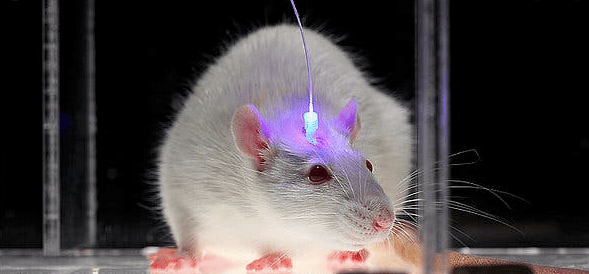
Any medical student would agree that one of the most pressing issues that drives most of us to tears of desperation is “How on earth do we commit so much factual information into our memory?!Hence if someone were to claim that it was possible to zap one’s brain with mere light to selectively activate or inhibit neurons we would be among the first subscribers to this neuron function altering technique! Well the reality is that this dream has already been turned into a reality through the field of optogenetics which was discovered almost two decades back and took the world of neuroscience by storm so much so that it was bestowed with the title of ‘method of the year 2010’ by Nature.(1) Optogenetics involves the use of  light sensitive channels isolated from algae called as channel rhodopsins which are used to label neurons selectively and when light is shone onto the neurons only the labelled neurons are activated. Today this novel field has far reaching applications and has been used by scientists to create and alter memories in mice(2)(3), create false memories in the absence of any experience(4) and even suppressing depression like behaviour(5) which has a wide range of applications in the development of potential therapies for neurodegenrative disorders like Alzheimer’s and Parkinson’s disease as well as in the treatment of PTSD and Mood Disorders. However just as we start packing our bags to set off to MIT to avail of the benefits of this almost too good to be true technology that seems to be the stuff that sci-fi movies are made of we encounter a roadblock. In order for us to use this technology there is a necessity to undergo a neurosurgery to drill a hole into our cranium in order to carefully implant the fibre optic electrodes in close vicinity to the labelled neurons causing the risks of this technique to be akin to that of the Deep Brain Stimulation techniques that are currently one of the therapeutic options for diseases like Parkinson’s. The concept of magnetogenetics evolved as a means to circumvent these problems associated with the technique of optogenetics.

Magnetism and the world of Biology

Since time immemorial, humans have been awed by other animals’ remarkable feats of navigation—from arctic terns that travel quite literally from pole to pole, to sea turtles which return reliably to their natal coastlines to lay eggs after many years in the open ocean. How are these creatures able to achieve this without the aid of maps or GPS when I myself can get lost quite easily in CMC’s hospital campus? The answer lies in their unique ability of magnetoreception. The cause of this unique ‘sixth sense’ in these animals has been a topic of much study with several hypotheses being put forward.

The first plausible hypothesis is that these birds possess a light sensitive chemical based magnetoreceptor (cryptochrome) in their retinas. This concept predicts that the geomagnetic fields can influence the spin state of light-induced radical pairs and thereby modulate the outcome of biochemical reactions thereby enabling these birds to actually see magnetic field lines of the earth with their eyes. This theory could also explain how the introduction of artificial low-intensity broadband electromagnetic fields (which influence electron spins) disrupt magnetic orientation and cause the birds to lose their way.(7)

Yet another hypothesis is that they have a mechanically sensitive magnetite-based magnetoreceptor. This has been proven to exist in some species.

The best example are magnetotactic bacteria whose preferable habitat is the deeper waters at the bottom of a pond. Whenever the pond is disturbed and they float to the top of the pond they generate a chain of intracellular magnetite crystals. They employ this internal compass needle to guide their swimming along the incline of the magnetic field vector to deeper waters with favorable redox conditions. (6)

Magnetogenetics Principles

A number of groups have tried to engineer artificial magnetosensors and these systems fall into three broad categories: magneto‐thermo‐receptors which exploit radio frequency fields to cause activation of heat‐sensitive channels; force/torque‐based methods that rely on endogenously generated nanoparticles; and the expression of the iron chaperone ISCA1.(10)

Let’s explore each of these in detail-

Magneto-thermo-genetics

This approach involves using local heating of superparamagnetic nanoparticles to convert a radio-frequency (RF) magnetic signal into cell stimulation. Manganese ferrite (MnFe2O4) nano particles were targeted to cells expressing the temperature- sensitive ion channel TRPV1, and heated using a RF magnetic field. The local temperature increase opened the TRPV1 channels and caused an influx of calcium ions. The activation temperature of TRPV1 was 42 degrees celsius and it was observed that

an aqueous dispersion of MnFe2O4 nanoparticles conjugated with streptavidin and subjected to a RF

magnetic field (40 MHz, 8.4 G) heats up at an initial rate of 0.62 degrees Celsius/second, a field strength that satisfies the FDA requirements for RF fields applied during MRI. The cells of interest were genetically made to express the engineered membrane protein marker AP-CFP-TM. This protein marker contains a transmembrane domain (TM) of the platelet-derived growth factor, an extracellular fluorescent protein (CFP) and a biotin acceptor peptide (AP) that is enzymatically biotinylated to bind the streptavidin-conjugated nanoparticle. In order to prove that the heating effect was localised to the vicinity of the nano particles and that there is a definite change in temperature due to the magnetic field the streptavidin coated nano particles were attached to fluorophores (DyLight549) which acted as nanoscale thermometers and showed a reduction in the intensity of fluorescence within 15s of application of the RF field. The influx of calcium due to the opening of the TRPV1 channels was proved in the HEK293 cells where when intra- cellular calcium concentration was measured using the genetically encoded Fo ̈rster resonance energy transfer (FRET)-based calcium sensor, Troponin extra large (TN-XL)23 within 15 s of applying the RF magnetic field (40 MHz, 8.4 G) the cytosolic calcium concentration increased from about 100 nM to 1.6 mM. The increase was found to be caused by calcium influx through thermally activated TRPV1 channels, because cells with nanoparticles but without TRPV1 channels, and cells with TRPV1 channels but without nanoparticles, did not show any calcium influx upon application of the same RF magnetic field.

The  calcium influx results in a neuronal depolarization that is sufficient to elicit an action potential, which is necessary for the control of neuronal function. The scientists measured changes in the membrane potential of hippocampal neurons that expressed TRPV1 and were labelled with nanoparticles, using the voltage-sensitive dye ANNINE624. Immediately after applying the RF magnetic field, the ANNINE6 fluorescence intensity decreased as the membrane temperature rose and several small membrane voltage spikes followed by an action potential type depolarization was registered. They also showed how Caenorhabditis elegans whose brains were labelled with the particles had an aversive response and reversal of direction of locomotion in a magnetic field consistent with their reflex to avoid a heat stimulus while unlabelled worms showed no such response when exposed to the same magnetic field. In essence, this experiment established the remote control of ion channels in cells using RF magnetic-field heating of nanoparticles. (8)

Along the same lines a set of experiments were performed in vertebrates by the Anikeeva laboratory (9) that induced calcium influx in HEK cells, action potentials in primary hippocampal neurons and neuronal activation in deep brain areas in vivo in mice. While the size and elemental composition of artificial nanoparticles permit the generation of heat with greater precision, the nanoparticles must still be delivered by injection, which risks tissue damage, and their dispersion over time. The ideal system would therefore require genetically encoded nanoparticles. 

This challenge was addressed by a set of experiments that used a chimeric ferritin tethered to TRPV1 via a GFP nanobody. (11)In vertebrates, the ferritin supercomplex is made of 24 subunits of both light and heavy chains that enclose an iron oxide nanoparticle. This particle, which is ~6 nm in size, is predominantly composed of ferrihydrite but may also contain magnetite (Fe3O4) and maghemite (Fe2O3) phases.(12) The scientists validated that magnetic fields could cause the ferritin tethered TRPV1 to be opened causing a calcium influx and further activation of a calcium responsive genetic element that caused the release of human pro insulin. (11) They also showed that a similar construct introduced into the VMH(ventromedial hypothalamus) could stimulate remote magnetic field mediated activation of glucose sensing neurons in the hypothalamus thereby increasing plasma glucose and glucagon, lowering insulin levels and stimulating feeding when the animals were placed close to the electromagnetic coil of an MRI machine.(13)

Torque based magnetogenetics

An alternative to generation of heat by an oscillating RF field is using a strong magnetic gradient that exerts a force on a magnetic particle

This was what another set of scientists aimed to recreate by  a novel magnetogenetic actuator that they called Magneto2.0.(14)They hypothesised that when fused to a mechanosensitive channel called TRPV4, a paramagnetic protein would enable magnetic torque to tug open the channel to depolarize cells. The addition of a plasma membrane trafficking signal enhanced the prototype channel’s membrane expression causing increase in the calcium influx. Mice expressing Cre recombinase under control of the dopamine receptor 1 promoter which is expressed in approximately half of the medium spiny neurons (MSNs) of the striatum were injected with adenovirus vectors carrying Magneto2.0 and it was shown that not only was there increased neural firing in deep brain regions in response to magnetic fields but this could also be translated to control of mammalian reward behaviour that is regulated by dopaminergic signalling. This was done by subjecting the mice to a real time place preference (RTPP) assay where they could choose between a magnetized arm, lined with eight permanent NdFeB magnets delivering a magnetic field gradient of 250–50 mT, and a non-magnetized arm. It was observed that Magneto2.0 expressing mice showed a significant preference for the magnetized arm in contrast to WT mice which exhibited no such preference.(14)

The last among the three proposed techniques of magnetogenetics involved the use of iron chaperone protein ISCA1 to form a magnetic protein biocompass in conjugation with the light‐sensitive molecule cryptochrome (CRY4) (15) however further studies have failed to replicate the results(16).

The problems with magnetogenetics

As tantalising as the idea of remotely controlling cell expression and neuronal action potential with a non invasive magnetic field based approach sounds the technology as it stands today in its nascent stage is indeed fraught with obstacles that need to be overcome to bring it into mainstream scientific research and stand a chance to be a worthy successor to replace optogenetics.

Firstly it is unclear how the techniques that rely on genetically encoded ferritin nanoparticles, actually work.  Our current knowledge of the ferritin moiety indicates that it lacks the magnetic properties to activate either a mechanical or temperature‐sensitive channel. For instance, the force generated by a single ferritin nano‐particle, which contains about 4,500 iron atoms, in a 50 mT field with a gradient of 6.6 T/m is just 7 × 10−23 N, well below the 2 × 10−13 N required to open known mechanoreceptors.(17)

Hence further attempts to replicate these experiments independently as well as further research into the localisation, shape and magnetic properties of the nanoparticle within the ferritin supercomplex and the thresholds for receptor activation becomes necessary. A recent article proposed certain mechanisms that could explain how the ferritin moiety’s magnetic properties cause channel opening which include – the complex superparamagnetic interactions between adjacent ferritin particles could generate magnetic fields strong enough to open the channels, the diamagnetic interaction between ferritin and the channels and the low Young’s modulus of nerve membranes could cause deformation of the ion channels and cell membrane and their mechanical opening by means of magnetic fields, application of a polarizing magnetic field cause the magnetic spins to align in the direction of the  field which lowers the entropy of the spin ensemble and in an adiabatic process where there is no exchange of heat with the environment, this change in spin ensemble entropy has to be compensated for by the exchange of energy between the spin ensemble and the magnetite particle lattice, resulting in the change of temperature of the particle and lastly it is a fundamental tenet of quantum mechanics that magnetic moment m of a particle is proportional to mechanical angular momentum L of that particle, m = ɣ·L, where ɣ is the gyromagnetic ratio and as per the Einstein-de Haas effect a reversal of a magnetic moment of a sample by an applied magnetic field has to be accompanied by a corresponding change in mechanical angular momentum of that sample which is converted to rotational kinetic energy that is eventually transferred to the magnetite particle lattice and the environment through friction causing an increase in temperature and thereby opening the ion channels.(18)

Secondly it takes more time to activate channels via magnetic fields which requires seconds to work  as compared to optogenetics that can switch on or off cells in milliseconds. Efficiency and speed could be improved in a number of ways. To date, most systems use a fusion protein of human light and heavy‐chain ferritin. However certain mutant forms of ferritin are able to load more iron and consequently have a greater magnetic susceptibility. A potential candidate is the heavy‐chain ferritin from the thermophilic bacterium Pyrococcus furiosus that triples iron loading(19). There is also scope to co‐opt ferritins from magnetite generating species such as chitons, to further enhance the magnetic properties of the system. Similarly, future incarnations of magnetogenetic sensors may incorporate temperature‐ or mechano‐sensitive channels with lower thresholds of activation, such as TRP channels from infrared‐sensing snakes or vampire bats.

The third disadvantage to magneto genetics is the much higher cost of infrastructure needed to develop such a system while in comparison optogenetics requires a much lesser investment for the light source that is relatively inexpensive. This problem can only be surmounted by improving the efficacy of the coil systems that is used in magneto genetics.

Conclusion

The potential applications of magneto genetics is far ranging and diverse.From using it to generate localised and targeted hyperthermia in order to kill cancer cells or to cause release of human pro insulin from non beta cells, to selectively stimulating neural circuits in the brain in a less invasive manner as compared to optogenetics, which can have far ranging implications in the treatment of various neuro degenerative and psychiatric disorders the future does seem promising for this novel technique of manipulating cell biology and pathology. Such a system might eventually rival optogenetics as the pre‐eminent tool in neuroscience however at present there are many technical obstacles in the path to it being used in mainstream clinical practice. However further dedicated research may find solutions to the present obstacles and pave the path for the evolution of this  promising technique to being used to treat some of the most daunting diseases that challenge modern medicine.

references 

(1) Method of the Year 2010. Nat Methods 8, 1 (2011). https://doi.org/10.1038/nmeth.f.321

(2)Liu, X., Ramirez, S., Pang, P. et al. Optogenetic stimulation of a hippocampal engram activates fear memory recall. Nature 484, 381–385 (2012). https://doi.org/10.1038/nature11028

(3) Ramirez S, Liu X, Lin PA, et al. Creating a false memory in the hippocampus. Science. 2013;341(6144):387-391. doi:10.1126/science.1239073

(4) Vetere, G., Tran, L.M., Moberg, S. et al. Memory formation in the absence of experience. Nat Neurosci 22, 933–940 (2019). https://doi.org/10.1038/s41593-019-0389-0

(5) Ramirez, S., Liu, X., MacDonald, C. et al. Activating positive memory engrams suppresses depression-like behaviour. Nature 522, 335–339 (2015). https://doi.org/10.1038/nature14514

(6) Nordmann GC, Hochstoeger T, Keays DA. Magnetoreception-A sense without a receptor. PLoS Biol. 2017;15(10):e2003234. Published 2017 Oct 23. doi:10.1371/journal.pbio.2003234

(7) Engels, S., Schneider, NL., Lefeldt, N. et al. Anthropogenic electromagnetic noise disrupts magnetic compass orientation in a migratory bird. Nature 509, 353–356 (2014). https://doi.org/10.1038/nature13290

(8) Huang H, Delikanli S, Zeng H, Ferkey DM, Pralle A. Remote control of ion channels and neurons through magnetic-field heating of nanoparticles. Nat Nanotechnol. 2010;5(8):602-606. doi:10.1038/nnano.2010.125

(9) Chen R, Romero G, Christiansen MG, Mohr A, Anikeeva P. Wireless magnetothermal deep brain stimulation. Science. 2015;347(6229):1477-1480. doi:10.1126/science.1261821

(10) Nimpf S, Keays DA. Is magnetogenetics the new optogenetics?. EMBO J. 2017;36(12):1643-1646. doi:10.15252/embj.201797177

(11) Stanley SA, Gagner JE, Damanpour S, Yoshida M, Dordick JS, Friedman JM. Radio-wave heating of iron oxide nanoparticles can regulate plasma glucose in mice. Science. 2012;336(6081):604-608. doi:10.1126/science.1216753

(12) Quintana C, Cowley JM, Marhic C. Electron nanodiffraction and high-resolution electron microscopy studies of the structure and composition of physiological and pathological ferritin. J Struct Biol. 2004;147(2):166-178. doi:10.1016/j.jsb.2004.03.001

( 13) Stanley SA, Kelly L, Latcha KN, et al. Bidirectional electromagnetic control of the hypothalamus regulates feeding and metabolism. Nature. 2016;531(7596):647-650. doi:10.1038/nature17183

(14) Wheeler MA, Smith CJ, Ottolini M, et al. Genetically targeted magnetic control of the nervous system. Nat Neurosci. 2016;19(5):756-761. doi:10.1038/nn.4265

(15) Qin S, Yin H, Yang C, et al. A magnetic protein biocompass. Nat Mater. 2016;15(2):217-226. doi:10.1038/nmat4484

(16) Pang K, You H, Chen Y, et al. MagR Alone Is Insufficient to Confer Cellular Calcium Responses to Magnetic Stimulation. Front Neural Circuits. 2017;11:11. Published 2017 Mar 16. doi:10.3389/fncir.2017.00011

(17) Meister M. Physical limits to magnetogenetics. Elife. 2016;5:e17210. Published 2016 Aug 16. doi:10.7554/eLife.17210

(18) Barbic M. Possible magneto-mechanical and magneto-thermal mechanisms of ion channel activation in magnetogenetics. Elife. 2019;8:e45807. Published 2019 Aug 2. doi:10.7554/eLife.45807

(19) Matsumoto Y, Chen R, Anikeeva P, Jasanoff A. Engineering intracellular biomineralization and biosensing by a magnetic protein. Nat Commun. 2015;6:8721. Published 2015 Nov 2. doi:10.1038/ncomms9721

What makes the bacterial clock tick?

Circadian rhythms or changes in an organism’s behavior or physiology that follow a cyclical 24 hour pattern are found throughout the  tree of life with fungi, plants, insects and mammals all demonstrating them. However when it comes to bacteria, the most ancient of life forms that are ubiquitous dwellers in diverse habitats, the presence of a circadian rhythm was a matter of controversy. For ages bacteria were thought to be clockless owing to the circadian infradian rule assuming that bacteria were unlikely to show 24 hour rhythms as their reproductive cycle spanned less than a day and obviously what use could a clock that ticks longer than your lifespan be?

Research on circadian rhythms in Cyanobacteria-

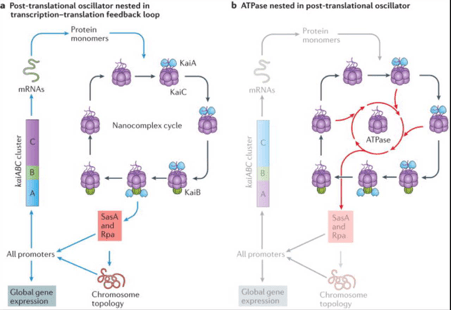
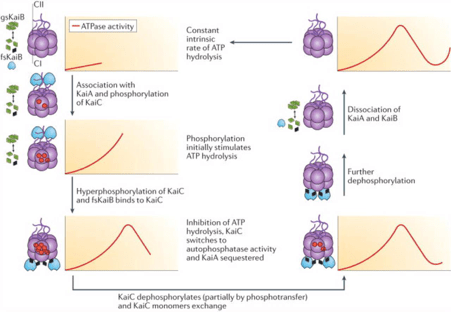
In the 1980’s a series of studies on Cyanobacteria – the oldest photosynthetic organisms present on earth- demonstrated the presence of a circadian clock in them. Many processes in these bacteria are circadian in nature like nitrogen fixation which occurs at midnight 12 hours out of phase from photosynthesis which peaks midday as the enzyme nitrogenase is degraded by even minute quantities of oxygen. (1)Circadian rhythms help anticipate unfavourable environmental conditions in bacteria such as shutting off photosynthetic machinery during the dark hours to avoid unnecessary energy expenditure. The analysis of Cyanobacterial circadian systems was done with an assay know as luciferase reporting assay. The firefly enzyme luciferase that catalysed a reaction in which luciferin is converted oxidatively to oxyluciferin with the emission of light is cloned downstream to the regulatory region of  the gene of interest and the resulting vector DNA is introduced into the cells and the cells are grown allowing transcription and translation of the gene products following which they are Lysenko to release the enzyme which when made to react with the substrate luciferin produces a bioluminescence that can be quantified and correlated well with the level of expression of the gene of interest X. (4) Initially the circadian clock was thought to be based on a transcription translation feedback loop(TTFL), however the current understanding of the Cyanobacteria circadian clock is that it revolves around 3 clock proteins known as KaiA, KaiB and KaiC of which Kai C plays a key role. Kai C  phosphorylation plays the role of a post translational oscillator which keeps on oscillating between a hypophosphorylated to a hyperphosphorylated  state by phosphorylation hand dephosphorylating residues in the C2 domain in the sequence T432 followed by S431 and the phosphotransferase activity functions partially by regenerating ATP from C2 bound ADP and phosphates bound to the residues leading to the clock functioning even at times of low ATP production such as the dark hours of the day. Concomitant with this phosphorylation cycle is the association dissociation of the Kai A KaiB kaiC nanocomplex. Unlike most other phosphorylation reactions this one is exquisitely slow with on,y about 15-16 molecules of ATP being hydrolysed per hour thereby permitting a long 24 hour time constant. (2)Such a biological clock offers immense evolutionary advantage to the bacteria as they outcompete arrhythmic bacteria in a rhythmic environment.(3) Cyanobacteria have hence proven to be the archetypal model for circadian systems in bacteria however what about similar systems in non photosynthetic prokaryotes?

Circadian rhythms in non photosynthetic bacteria-

Before we delve into an account on circadian systems in heterotrophic bacteria it is essential to be introduced to a term call ‘Zeitgeber’. Zeitgeber is a chronobiological term used to refer to any external or environmental cue that serves to entrainment an organism’s biological rhythm to the earth’s 24 hour cycle such as daylight for example.

In an exciting recently published study scientists were successful in identifying circadian clocks in Bacillus subtilis a gram positive non photosynthetic bacillus. The B subtilise genome lacks analogs of Kai proteins that were present in Cyanobacteria but instead have Pern arn’t sim (PAS) domains that are a component of circadian clocks in all eukaryotes and out of 16 such domains ytvA was selected to create a bioluminescent reporter strain.  Initially the researchers attempted to check whether light served as a sufficient zeitgeber by applying 12 hour light and 12 hour dark cycles. Pytv::lux expression increased only during the dark phase decreasing in the lit hours. There is an irregular expression of Pytv::lux luciferase with a stable expression occurring only after several days owing to the time needed for the two distinct oscillators the circadian clock and the zeitgeber cycle to form a stable relationship. A free running rhythm occurs which increases in length and eventually gets damped over 5 days when the cultures are subsequently exposed to continuous darkness however when they are grown on glucose depleted media this damping occurs more quickly and abruptly. Findings were validated with yet another  PAS gene called KinC that was responsible for sporulation and biofilm formation. Self sustained free running rhythms in the promoter region of ytvA also occurred following entrainment to temperature cycles (12hours at 25.5 degrees Celsius and 12 hours at 28.5 degrees Celsius) in contrast to the light entrainment here surprisingly there was a higher level of expression during the warm phase as compared to the cold phase and the free running period was greatly suppressed by the presence of glucose and glycerol in the culture media in stark contrast to what was observed in the light entrained cultures.

This shows that the clock is sensitive to environmental changes like the carbon sources. Also all cultures showed biofilm formation demonstrated by a visible pellicle.

Another hallmark of these clocks is that they have a Q10 value close to 1 and show temperature compensation which means that the free running periods across a 10 degree temperature range(6 degrees in actual practice) was not very different. The scientists also determined the effect of varying the entrainment magnitude on the phase of entrainment using temperature as the zeitgeber and found that the phase of the first cycle of oscillation was later at lower temperatures and earlier at higher temperatures. However one doubt that may occur to you is how can we be so certain that these cycles are truly reflective of a circadian rhythm and are not a mere consequence of environmental changes(masking)? To differentiate between these different T cycles were used.

T is the duration of the entire entertaining cycles and for earth T is 24 hours. For a circadian clock to be true it needs to show synchrony between the zeitgeber cycle and the rhythm. A longer running free period will entrain to a later phase in a 24h cycle than one with a shorter period. It can hence be deduced that a given individual with a set circadian rhythm will entrain earlier in a shorter cycle and later in a longer cycle while a masking signal simply synchronises to the same phase irrespective of the length of the zeitgeber cycle. B subtilis was found to entrain later as T cycle became shorter providing evidence of a robust circadian system that interprets the zeitgeber cycle as an oscillator rather than simply responding to environmental changes as a switch does.

The calculation of the free running period was done using a non linear model as described below and was analysed with R programming language .(5)

𝑓(𝑡)=𝑎0·𝑒−𝑘0·𝑡+𝑎1·𝑒−𝑘1·𝑡·cos(2π·(𝑡−θ)𝑇)

t= time in hours

a0 = max amplitude of baseline signal

K0= rate of decay of baseline signal

a1=amplitude of oscillation 

K1= rate of decay of oscillation

T= period of oscillation

Theta= phase of signal at start of experiment

Clinical Implications of this discovery

So what if bacteria possess circadian rhythms? How does it affect us in any way? Interestingly the account describes above regarding clocks in B subtilis was not the first to be reported a,one non photosynthetic bacteria. Few years back scientists discovered such a clock in Enterobacter aerogenes ( now known as Klebsiella aerogenes ) that exists as a commensal in the human gut. Based on an observation that K aerogenes showed rapid proliferation in the presence of physiological levels of human melatonin that are usually seen in the gut( gut enterochromaffin cells, cholangiocytes etc do contain melatonin synthesis enzymes apart from pineal gland) scientists performed luciferase assay based investigations on this bacterium and showed that these organisms showed robust circadian rhythms (in motA motility protein activity) in 31-44% of the cultures.

While melatonin didn’t affect the circadian rhythm per se it did affect the phase of peak bioluminescence which showed high variability among different replicates in the absence of melatonin that became highly synchronised on melatonin application.

So the bacteria is in essence a meta organism with its own endogenous clock responding to the host’s clock driven rhythm(6). Studies in mice have shown that loss of the host’s clock genes(7), a high fat diet(8), changes in feeding time and jet lag(9) all have an impact on the rhythmicity of gut microbiota and alter the composition to favour development of obesity and insulin resistance. In fact another study found that disruption of the rhythmicity of 13 microbial taxa were seen in patients with type 2 diabetes mellitus.(10) This could be due to alteration in metabolites produced by the bacteria. Mice with regular diets exhibited daily oscillation in butyrate levels- a compound that plays a key role in intestinal homeostasis and produced by gut micro biome while those on a high fat diet lost this oscillation and were prone to develop obesity.(11)

Photo by Pixabay on Pexels.com

In fact mice on HFD could be protected from obesity by Time Restricted Feeding even without reducing calorie intake(12) Doesn’t this sound familiar? Living as we are in the era of diets like intermittent fasting and Time Restricted Feeding it could indeed be possible that the endogenous rhythms of gut microbes have a role to play in the beneficial effect of such diets. The role of microbes in IF has been demonstrated by several studies including one which showed increased mitochondrial synthesis in hippocampus and improved synapse ultra structure leading to reversal of cognitive decline due to DM.(13) In fact the gut micro biome is also shown to cause proper alignment of circadian rhythms in hosts on IF thereby holding promise for treating disorders of circadian rhythm like sleep disorders. (14)Also the very fact that microbes have an endogenous clock could also potentially be used to time the administration of antibiotics to the metabolically active phase of the bacterial clock so as to maximise their efficacy. The discovery of bacterial clocks opens up new exciting avenues of research, to determine how best we can synchronise the ticking of their clocks to our own, in order to maximise our health and well being.

REFERENCES

(1) Mitsui A, et al. Strategy by which nitrogen-fixing unicellular cyanobacteria grow photoautotrophically. Nature. 1986; 323:720–722.

(2) Johnson CH, Zhao C, Xu Y, Mori T. Timing the day: what makes bacterial clocks tick? Nat Rev Microbiol. 2017 Apr;15(4):232-242. doi: 10.1038/nrmicro.2016.196. Epub 2017 Feb 20. PMID: 28216658; PMCID: PMC5696799.

(3) Woelfle MA, Ouyang Y, Phanvijhitsiri K, Johnson CH. The adaptive value of circadian clocks: an experimental assessment in cyanobacteria. Curr Biol. 2004; 14:1481–1486. [PubMed: 15324665]

(4) Kondo T, Strayer CA, Kulkarni RD, et al. Circadian rhythms in prokaryotes: luciferase as a reporter of circadian gene expression in cyanobacteria. Proc Natl Acad Sci U S A. 1993;90(12):5672-5676. doi:10.1073/pnas.90.12.5672

(5) Eelderink-Chen Z, Bosman J, Sartor F, Dodd AN, Kovács ÁT, Merrow M. A circadian clock in a nonphotosynthetic prokaryote. Sci Adv. 2021;7(2):eabe2086. Published 2021 Jan 8. doi:10.1126/sciadv.abe2086

(6) Paulose JK, Wright JM, Patel AG, Cassone VM. Human Gut Bacteria Are Sensitive to Melatonin and Express Endogenous Circadian Rhythmicity. PLoS One. 2016;11(1):e0146643. Published 2016 Jan 11. doi:10.1371/journal.pone.0146643

(7) Liang X, Bushman FD, FitzGerald GA. Rhythmicity of the intestinal microbiota is regulated by gender and the host circadian clock. Proc Natl Acad Sci U S A. 2015;112(33):10479-10484. doi:10.1073/pnas.1501305112

(8)Zarrinpar A, Chaix A, Yooseph S, Panda S. Diet and feeding pattern affect the diurnal dynamics of the gut microbiome. Cell Metab. 2014;20(6):1006-1017. doi:10.1016/j.cmet.2014.11.00

(9) Thaiss CA, Zeevi D, Levy M, et al. Transkingdom control of microbiota diurnal oscillations promotes metabolic homeostasis. Cell. 2014;159(3):514-529. doi:10.1016/j.cell.2014.09.048

(10) Reitmeier S, Kiessling S, Clavel T, et al. Arrhythmic Gut Microbiome Signatures Predict Risk of Type 2 Diabetes. Cell Host Microbe. 2020;28(2):258-272.e6. doi:10.1016/j.chom.2020.06.004

(11) Leone V, Gibbons SM, Martinez K, et al. Effects of diurnal variation of gut microbes and high-fat feeding on host circadian clock function and metabolism. Cell Host Microbe. 2015;17(5):681-689. doi:10.1016/j.chom.2015.03.006

(12) Hatori M, Vollmers C, Zarrinpar A, et al. Time-restricted feeding without reducing caloric intake prevents metabolic diseases in mice fed a high-fat diet. Cell Metab. 2012;15(6):848-860. doi:10.1016/j.cmet.2012.04.019

(13) Liu Z, Dai X, Zhang H, et al. Gut microbiota mediates intermittent-fasting alleviation of diabetes-induced cognitive impairment. Nat Commun. 2020;11(1):855. Published 2020 Feb 18. doi:10.1038/s41467-020-14676-4

(14) Daas MC, de Roos NM. Intermittent fasting contributes to aligned circadian rhythms through interactions with the gut microbiome. Benef Microbes. 2021;12(2):147-161. doi:10.3920/BM2020.0149

Learning across Cultures – an online learning initiative by Karolinska Institutet

Photo by Bestbe Models on Pexels.com

As the pandemic raged on and unprecedented circumstances forced all learning to shift online we students were met with yet another roadblock. The extremely anticipated exchange program that our college offered to students every year to broaden our horizons and understand the medical education and healthcare systems in place in different countries was also brought to a standstill owing to international air travel restrictions. However knowledge did continue to flow freely on online portals and I had the immensely rewarding experience of taking part in an online module on learning across cultures conducted by the prestigious Karolinska Institute in Solna, just off the outskirts of Stockholm the capital of Sweden. 

After updating my profile on the official website, I proceeded to access the learning modules. 

My first module was a crash course on how to become a competent inter-cultural communicator. In an increasingly diverse world with each country being a melting pot of cultures the necessity to develop a culturally sensitive viewpoint is imperative. Like any self-transformation exercise this endeavour too began with a self-evaluation questionnaire that enabled me to identify my strengths and weaknesses as far as being an efficient communicator in multicultural scenarios were concerned.  I realised that though my strengths lay in problem solving and collaboration my lack of awareness regarding social practices and the roles played by social and political actors downplayed my ability to successfully galvanise my team to achieve a common goal or my ability to provide the best possible care to my patients who come from culturally diverse backgrounds.

Photo by Marta Wave on Pexels.com

What struck me as a surprise was that bang in the middle of the three hour course was a ten minute yoga break that was incorporated to improve oxygenation and concentration levels of the participants! Despite being a yoga enthusiast who does 108 surya namaskars (sun salutations) on a daily basis, I found some of the poses quite challenging as every neglected joint and sinew was twisted into various postures as directed by the tutor. The short break left me feeling refreshed and ready to resume my learning. It also left me with immense appreciation of the holistic approach of including the physical and mental health of the students too as an indispensable part of the curriculum regardless of the duration of the course in question.

“We don’t see things as they are, we see things as we are”- Anais Nin (French Cuban author)

Lustig and Koester defines culture as a learned set of shared interpretations about values, beliefs, norms and social practices that affect behaviour.

Culture as we know it is definitely not an inherited concept. Instead it is learnt through observation and explanation during the course of our lifespans.

Photo by Pixabay on Pexels.com

The course instilled in me an understanding that culture could be compared to an onion with multiple layers [Hoffstede 1991] and viewing a person as having only a single layer and disregarding their existence as a multi-faceted personality does a gross injustice to their personality. Instead one must endeavour to peel off the layers of national, regional, organisational, gender, family and religion which are all essential to an individual’s identity.

Photo by Ksenia Chernaya on Pexels.com

Culture could also be thought of as a pair of glasses [Berardo and Deardoff 2012] that we put on while we evaluate others around us through the filters of our own values and beliefs. This is why exchanging glasses with others around us becomes necessary to have an unbiased perspective. Hence we could work with the common motto “Let’s strive to take off our cultural glasses and see the world through another lens”.

Photo by Elena Olesik on Pexels.com

This makes me recall a really interesting scenario that took place during my very first community health posting in our college. Our class comprising of 100 students was divided into 2 groups and sent to two different rooms. One was christened alpha land while the other was beta land. I was a member of alpha land. As proud citizens of alpha land we were instructed to not use any verbal communication but instead communicate through gestures like bowing before elders or shaking hands in a particular manner etc. We were instructed that any visitor who happened to visit us were expected to follow all of our rules and if they didn’t they were give three chances to rectify their error, failing which they would be thrown out of our country. However they had to learn by watching us, as we were not allowed to communicate with them using words. Soon enough we got a few visitors from beta land and as expected they were confused by our highly peculiar rituals and they couldn’t seem to make head or tail of what we were upto! We alpha people were of course simply delighted at their bewilderment and gleefully counted their three errors each, before the most muscular boys of our group literally shoved the visitors of beta land out of the door over issues such as not bowing before our ‘elders’! Soon we too got an opportunity to visit beta land and so we went over to their territory, a little fearful that we too may meet the same fate as they did when they visited us! However much to our amusement the beta people were not in the least bothered about our presence, neither did they seek to avenge their dishonoured team members who were thrown out by us. All they seemed to be interested in doing was engaging in collecting animal cards. The needed to collect three similar cards and they had to signal the cards they had by making animal sounds so that anyone else with the same card could barter with them They would then exchange those cards for cash. We Alpha people were almost rolling on the floor crying tears of laughter hearing them oinking, mooing and bleating with desperation. Ultimately this experiment served as a reminder to us of how when we visit a new land knowing a little bit about their cultural practices can go a long way in helping us establish an amicable interaction with the people who live there.

Koester and Olebe defined competent intercultural communication as interaction that is perceived as effective in reaching certain objectives in a way that is also appropriate to the cultural context in which the interaction occurs. 

This incorporates an eightfold approach as follows.

1)Display of respect- can be done by verbally using  polite pronouns and ensuring a friendly non- verbal interaction ( such as smiling, avoiding a hostile posture etc) 

2)Orientation to knowledge- learning a few key phrases in the local language as well as few cultural practices like the appropriate way to greet someone in each country can go a long way in establishing good communication.

3)Empathy- feel how life is for someone else on an emotional level

4)Interaction Management- have clear cues on how to start and end conversations, how to take turns to speak, how not to dominate the discussion and instead make room for everyone to express their views.

5)Task role behaviour- Listen actively to what others have to say and don’t alienate anyone, try to understand the best possible method that would enable the group to work together finish the task at hand.

6)Relational role behaviour- speak clearly and simply, have ground rules in place during group work and ensure that each team member has a defined role and responsibility that is agreed upon right at the beginning by all the members so as to avoid confusion and unnecessary conflicts.

Photo by Samuel Silitonga on Pexels.com

7)Tolerance for ambiguity- Being calm and composed in the face of unpredictable scenarios, not responding in a hostile or sarcastic manner but instead being willing to adapt to changes is indeed a sign of good leadership and competent intercultural communication.

8)Interaction posture- While delivering feedback strive to do it in a non-evaluative, non – judgemental manner, give feedback towards behaviour and not towards the personality.

 I also learnt about how to respond to critical events that serve as a turning point in our life and causes us to pause and think about our surroundings and reconsider the systems in place around us. The appropriate way to respond to such situations could be abbreviated as OSEE [Beardo and Deardoff] which stands for Observing, Stating things exactly as they are without any tints of individual prejudice, Exploring different explanations for the course of event and lastly Evaluating and reaching a conclusion as to which explanation was most likely and if necessary seeking the assistance of superiors or cultural guides to arrive at an accurate conclusion.

The second module made me sit back and wonder about how historical disadvantages summed up over years to shape the world that we live in currently. 

The above graph compares the incomes of countries with their average life expectancy. The second table taken from the World Bank website shows the position of India as a lower middle income country. As professor Hans Rosling magically waved his hands in the air and went through the changes in the graph over 200 years in a mere 4 minutes I was awestruck at how the Asian and Sub Saharan African countries remained at a disadvantage owing to years of colonialization while the European and American countries marched forwards steadily towards higher incomes and better health outcomes despite occasional setbacks such as the Great Depression and the Spanish Flu epidemic. He also emphasised the disparity that was rampant even within a single bubble that represented a single country with the bubble of China’s Shanghai being high up amidst the well to do nations like Luxembourg while the poorer Chinese region of Guizhou was pushed way down amongst the African nations. There was also an increasing trend towards non-communicable diseases(diabetes, cancer etc.) becoming the major cause of death as the income of a country improved while the lower income countries still had infectious diseases as the major chunk of their causes of death along with high maternal and infant mortality rates.

Photo by Tim Mossholder on Pexels.com

This also made me recall another really interesting anecdote from the community medicine classes in our college. We were divided into several groups named after different countries and each group was given a set of materials like paper, pencils, scissors, scales, compasses etc and were asked to cut out certain shapes like squares and circles of a predetermined size and then exchange those for money at the World Bank station in front. As luck would have it I was allotted to China! So my team mates and me diligently set to work furiously cutting up shapes and greedily monetising our efforts as soon as they were ready. As we were busy in our work we were often interrupted by people coming from other groups asking us if they could borrow some pencils or scales etc. My team mates found these disturbances irritating and as such we were fast running out of paper. So we struck a deal with our neighbour Cuba for 10 sheets of paper in exchange of a pencil. However as we noticed the enormous stack of paper on the Cuban table our greed knew no limits and we started extorting them for 20-25 sheets for a measly pencil! While all this was happening the market too was facing changing constantly with circles being the most valuable at one point and then suddenly the world bank changes its stance making triangles the most lucrative shape! Eventually the US ended up ranking first on the leaderboard of money made and then we all sat down to analyse the activity and our performances. This was when our professor enlightened us to the fact that each of the countries had been given different quantities and qualities of resources. While we as China were lucky to have all the materials needed for producing the shapes some countries like Cuba or Congo had only got paper and no tools at all- as a reflection of their immense natural wealth but lack of other resources. No wonder they had to beg and borrow so desperately from us and their other neighbours! What is striking is that this is exactly the drama that play out on an international level in the field of international trade on a daily basis.

This made me sit back and wonder about how relevant this scenario was even in the present day COVID crises with the wealthier nations having enough and more vaccines to inoculate all of its citizens while the rest of the world was finding it hard to procure enough doses to even vaccinate the most vulnerable of their populations. Unfair isn’t it ?!!! Unfortunately that remains the truth of today’s global healthcare scenario.

In summary the module served as an eye opener to me regarding the various economic, cultural and political disparities that exist in the world and how they impact the field of healthcare while also serving as a guide to improve my inter cultural communication skills.

Pharmacogenomics and the era of precision medicine

Innumerable are the times that the quote “blame it on my genes!” has crossed my mind in response to a sudden pang of envy – be it at the perennially skinny friend whose skeletal frame seemed to betray the tantalizing cheesy wonder of a pizza that they could devour guilt free or be it at the ones so vertically blessed  that they have to bend down from realms beyond the Milky Way to have an eye to eye conversation with diminutive me! Though this kind of an arrangement seems to be rather unfair as far as views of equality go, it does seem wise when the purpose of natural selection is considered, that we all have a completely unique genome that may ensure that at least some of our species may survive in the event of a future apocalypse.. It has been said that genes load the gun while our lifestyle pulls the trigger.

Genes in fact are the unknown variable that coupled with lifestyle determinants influence the individual’s response to drugs in ways that can’t be fathomed by mere empirical techniques. Yes indeed therapeutics would be so much easier if a dose of a certain drug produces the expected response in all individuals, however since the reality encompasses a vast variety of factors all influencing the response of an individual to a drug, the next logical step needed is to use this diversity in drug responses to our advantage in providing the best possible patient care and that is exactly what the field of pharmacogenetics aims to achieve.

HISTORICAL PERSPECTIVE

The concept of different drugs producing different responses in different individuals is not new. As early as 510 BC Pythagoras recognized that some individuals developed hemolytic anemia on the consumption of seemingly harmless fava beans.

It however took several hundred years for the reason to be discerned as a deficiency of the enzyme glucose -6 phosphate dehydrogenase in certain individuals that predisposed them to the harmful effects caused by consumption of not just fava beans but a multitude of other drugs such as primaquine. The term pharmacogenetics itself is relatively recent and was first brought into existence by Friedrich Vogel in 1959.

CAUSES FOR VARIATIONS IN DRUG RESPONSE

VARIATIONS IN ENZYMES

Enzymes involved in phase one reactions

It is well known that almost 75% of the drugs that we take are metabolized in phase one bio transformation reactions by CYP450 enzymes and so it comes as no surprise that mutations in the genes encoding these enzymes can lead to transcription of enzyme phenotypes with markedly different activity levels. Mutations can lead to alleles with increased function or decreased function or even duplications of entire genes leading to phenotypes such as PM, IM, EM and UM with enzyme activities increasing from left to right. A highly cited example of such genetic polymorphism would be  that of the CYP2D6- A major enzyme that transforms almost one fourth of all known drugs, especially the basic ones like opioids and beta blockers this enzyme ha been touted for the high degree of variability that patients describe on taking a very common antitussive medication- Codeine. CYP2D6 is responsible for the O methylation that converts codeine into its 100 times more potent analgesic morphine. The UM’s and the EM’s respond quickly to the analgesia and experience satisfactory pain relief however that comes at a price of greater side effects like drowsiness and respiratory depression while the PM’s and IM’s may keep on asking for more medication simply because there is not enough morphine formed in their body to alleviate the pain- something which may even make them seem like a drug abuser asking for more drugs in a clinical setting however due to no fault of their own.

Phase 2 enzymes also show polymorphisms. A famous example would be that of UGT1A1- Uridine 5 diphosphoglucuronosyl transferase and TPMT- thiopurine methyltransferase. Both of these enzymes have a role in metabolizing chemotherapeutic drugs used to treat cancer. UGT1A1 metabolites irinotecan a topoisomerase inhibitor and its active metabolite SN38 which limits the dose that can be used due to bone marrow suppression and GI toxicity can present with an extremely poor outcome in PM’s and IM’s who can present with exaggerated neutropenia and diarrhea that can seem unexpected for a certain dose. In addition it also plays a role in physiological conjugation of bilirubin in the liver and a congenital reduction in activity takes the form of the benign disorder known as Gilbert syndrome. On the other hand TPMT exerts its toxic effects through TGN metabolites in response to thiopurine drugs like 6 – mercaptopurine or azathioprine.

This discussion would definitely be incomplete without a mention of some other enzymes that too have high clinical implications in pharmacotherapy. One such is G6PD – the oldest among all enzyme polymorphisms to be noticed by people.

In response to oxidative stressors like fava beans, infection or drugs the levels of this enzyme increase to meet NADPH demands in normal individuals. However in the malaria endemic belt of the world located mainly in parts of Africa and Asia( including parts of India) people seem to have acquired a trait that makes the enzyme less functional and the roc’s more susceptible to hemolysis – most probably as a way of protection against the plasmodium parasite that lives most of its life cycle within the rbcs and hence reducing the lifespan of the rbcs would be a logical way to get rid of the infestation – similar to the reason for high prevalence of sickle cell anemia in these very parts of the world. A rare and intriguing case of how an endemic disease has led to a natural selection of certain genetic polymorphisms that would otherwise not offer a survival advantage and may even be harmful.

Yet another report that is closer to home is the genetic predilection of the Arya Vysya community of southern India  to prolonged sedation and even death due to cardiac arrest or apnea on administration of skeletal muscle relaxants like succinylcholine owing to their lower levels of pseudocholineseterase enzyme that metabolizes the drug. This trait has remained in the community due to high degree of intra caste marriages (an artificial selection of a kind).

ALTERATIONS IN PROTEINS

Several proteins too have been implicated as a cause for varied drug responses. OATP1B1 is a transporter located on hepatocytes on the sinusoidal facing membrane which has been found to lead to increased risk for myopathy in response to the use of statins in those with an ineffective transporter. Similarly in a type of AML known as AML M3 or acute promyelocytic leukemia a genotype involving a t(15:17) is associated with the formation of a PML RARa chimeric gene receptor and this responds well to ATRA( all trans retinoids acid) and hence has a better prognosis than another variant called PZFL RARa which is a result of a t(11:17) and has a worse prognosis owing to its lackadaisical response to treatment with ATRA. Such is in fact the case for a majority of cancers and so pharmacogenomics holds great promise as far as development of new cancer chemotherapeutic agents is concerned.

VARIATIONS IN IMMUNE FUNCTION

Yet another interesting set of variations seen involve components of the immune system such as the HLA type of an individual that is also important when considering matching of an organ donor to a recipient is concerned. HLAB polymorphisms can lead to severe hypersensitivity reactions that manifest in the form of a Steven Johnson syndrome or toxic epidermal necrosis especially with the allele HLA-B*57:01. Similarly IFNL3/IL28 gene testing is used to weigh risk benefit ratio when considering whether to treat a patient infected with HCV with ribavirin or not to improve treatment efficacy.

FACTORS AFFECTING THE BIOLOGICAL MILIEU

In some cases the polymorphism may be in an enzyme or protein that affects the biological milieu. For instance variations in the MTHFR(homocysteinemia may be caused) Factor V, prothrombin etc cause the milieu to become pro thrombotic without actually affecting the actions of prothrombotic drugs like estrogens but may modify the risk of a thrombotic event in the presence of such a drug.

POLYGENIC INFLUENCE

Much as we may like to simply put out a list of commonly implicated genes and their various genotypes with the phenotypic influence and hope for it to serve as a comprehensive enough guide for our day to day clinical practice the scenario is far more complex. What I have elucidated above is simply a set of single gene effects or single allele effects in the modification of drug responses but we as doctors are dealing with patients and not single gene systems- patients who are a complex conglomeration of several genes each of which exerts its own unique influence on the way a drug acts in the patients body- some being significant enough to merit clinical notice while others being not very significant. However the bottom line remains that the response output seen is a summation or an integral of all the single gene effect variables that come together to decide how a patient responds to a drug. A relatively simple example of this fact would be how warfarin- an anticoagulant is affected by more than one gene- namely CYP2C9 that reduces its metabolism and further excretion as well as VKORC1 that leads to lesser quantities of the enzyme VKOR that vitamin K acts upon both of which act in an additive manner potentiating the effects of warfarin and causing increased bleeding side effects that are far greater than what is anticipated for a given dose.

EPIGENOMICS

We have discussed fervently about changes in the primary DNA code that leads to varied responses to drugs however there is also another component that exerts its influence discreetly yet majorly. These are various epigenetic modifications such as methylation of DNA or histone modifications which may also combine with polygenic influences to affect responses to drugs and hence is a pretty promising field for future research.

STUDIES OF POLYMORPHISMS

[Manhattan plot – Wikipedia.org]

Now that we have spoken of the various points at which genes exert influence on drug response the next logical step would be to identify the various genetic loci of interest as far as pharmacogenetics is concerned.

There are various methods of doing this. One way is a candidate gene vs a genome wide approach that focuses on what is known regarding the pathways influencing a particular drug and then using a database like PharmGKB to test the hypothesis that variants in a particular set of genes account for varying phenotypes.

This is however time consuming and inefficient because we are only looking for variations in regions of known biological activity and neglecting the rest. Yet another method that is in use is a genome wide association study(GWAS)  in which genotypes at almost 500,000 snp sites are compared with a continuous trait or between cases and controls (that is those with and without therapeutic response or an ADR to a drug). An even more comprehensive approach was to  couple genomic findings from a GWAS with other large scale measures of gene functions like mRNA levels(transcriptomics) or proteins(proteomics) as the abundance of signals may itself reflect some of the relevant genetic variations.

FUNCTIONAL STUDIES OF POLYMORPHISMS

Once a gene or locus of interest is identified the next step is to discover which coding or regulatory variants contribute. One way of doing this is comparative genomics or actually studying the individual polymorphisms in vitro or in animal models. Highest effects are exerted when  a non synonymous SNP or a nonsense or miss ensue mutation leads to a loss of an evolutionarily conserved amino acid residues. With millions of variants being identified from whole genome sequencing studies new innovative methods to identify their functions are also evolving and increasingly computational algorithms have been developed to identify deleterious amino acid substitutions. A real time way of assessing the function of a gene variant would be to artificially construct the variant by site directed mutagenesis and compare the function of the new protein with the normal one. 

Yet another set of new technologies that are promising to revolutionize functional gene studies is the ability to form iPSC’s from an individual to study their physiology completely and using the recent Nobel prize winning discovery of CRISPR Cas9 method of gene editing to bring about selected changes in the iPSC’s for the purpose of functional testing.

APPLICATION IN DRUG DEVELOPMENT PROCESS

Majority of clinical trials end up in having to scrap the candidate drug owing to ADR’s that are detected at later stages of the clinical trials leading to immense wastage of resources and time. However if the pharmacogenetic variants that are more likely to respond well to a certain drug candidate can be identified early on in the scheme of events the trials can be tailored to include only that subset of the population and exclude those who receive an unfavourable risk benefit ratio. This can lead to more targeted therapeutic options with better efficacy being delivered to the market and decreased losses for pharmaceutical companies.

Also genomics itself can help in identifying potential targets for drug development process. A worthy example of this would be that when it was found that individuals with lower levels of PCSK9 had lower levels of LDL cholesterol and lesser risk for CAD it led to the evolution of PCSK9 inhibitor antibodies like alirocumab and evolocumab. Similarly were the drugs ivacaftor and lumacaftor developed to target the CFTR in Cystic Fibrosis.

CLINICALLY AVAILABLE PHARMACOGENETIC TESTS

The currently available pharmacogenetic tests aim to identify polymorphisms in HLA types, gene metabolizing enzymes that modify its pharmacokinetics and the gene target proteins. It encompasses a part of what the FDA describes as companion diagnostics – that is a diagnostic test that accompanies a therapeutic drug to determine the applicability of a certain drug to a certain individual.

Currently available tests include abacavir and HLAB57:01, carbamazepine and HLAB15:02, TPMT and thiopurines, CYP2D6 and opioids and tamoxifen, transtuzumab and HER1, imagining, Dasani in and bcr:abl1, warfarin and cyp2c19 and vkorc1 etc.

The clinical pharmacogenomics implementation consortium provides a compiled information database on various drugs and genetic polymorphisms that affect response to them as well as recommendations regarding dosage for each case.

CANCER AND PERSONALISED MEDICINE

Photo by Anna Tarazevich on Pexels.com

In no other field has the advent of personalized medicine being more of a game changer than in oncology. Earlier what was thought of as a single disease entity and given names according to the organ of origin(lung cancer, liver cancer etc) now it has been recognized that cancers are a complex amalgamation of varying genetic defects with such great diversity even in a single tumor in a single individual that they definitely cannot be treated in ‘a one size fits all’ approach. As pathologists come up with newer methods of classifying cancers based on the genetic aberrations responsible for each type pharmacogenetics shall play a great role in the future for achieving a ‘cure for cancer’ which may simply be a more logical and targeted approach at treating each genetic variant specifically rather than a miraculous drug that can claim to cure all kinds of cancer indiscriminately.

Precision medicine targets certain mutations in certain kinds of cancer. For instance the EGFR mutation lung cancer being treated with gefitinib or the ALK positive lung cancer being treated with crizotinib or ceritinib. Transtuzumab being used in HER positive breast cancer and KRAS positive colorectal cancer while Imatinib used for CML. Yet another front runner is immunotherapy for the treatment of cancer which can include checkpoint inhibitors, vaccine immunotherapy and CAR T cell therapy. Checkpoint inhibitors remove the immune systems checkpoints that prevent T cells from attacking cancer cells owing to their mimicking of antigens that are present on normal cells like PDL1. In addition vaccines can be developed to the new antigens expressed on a majority of cancer cells so that the circulating memory cells that react to those antigens are always ready to strike back if the cancer cells begin to show a recurrence thereby acting as sentinels that can eliminate even traces of cancer cells in the body. CAR T is an upgraded version of the same where instead of allowing immunity to develop in Vivo the T cells of the patient are altered ex Vivo to produce chimeric antigen receptors that attach to cancer cell antigens and produce a heightened immune response to them- a technique found effective in many childhood leukemias.

In fact a recent study even found that a universal screening approach for patients rather than a phenotype or clinical symptomatology or family variant based cascade testing approach would lead to higher chances of picking up individuals at risk of cancer however the financial and ethical ramifications of the same are indeed a scope for discussion.

CONCLUSION

Photo by Alena Shekhovtcova on Pexels.com

Pharmacogenetics opens up its own Pandora’s box of ethical dilemmas regarding the cost vs benefit of genome testing, the fact that such knowledge would compromise insurance cover for people with genetic defects and also the worry that identifying rare diseases with no cures early on would have a negative impact on the mental health of a patient and their loved ones. However it is undisputed that pharmacogenetics is an indispensable part of the future of modern medicine.

We are not really far from an era when each newborn gets his/her their own genome database to be used as a reference for any medication that they may be prescribed throughout their life. An era where personalised prescriptions are the norm rather than the exception, when we doctors wouldn’t just need to hope and pray for a drug to be effective or to not cause an adverse reaction but instead a time when we can actually take logical steps forward in order to ensure the right drugs reach the right patients.

REFERENCES

Jackson SE, Chester JD. Personalised cancer medicine. Int J Cancer. 2015 Jul 15;137(2):262-6. doi: 10.1002/ijc.28940. Epub 2014 May 12. PMID: 24789362.

Pharmacogenomics- Jennifer e hibma and Kathleen m giacommini

Katzung Clinical Pharmacology 14 edition, chapter 5

Principles of gene manipulation and genomics-s.b primrose and r.m twyman, pages 503-506

Rang and Dale’s Pharmacology – 9th edition, pages 152-161

Hans Gerhard Vogel- drug discovery and evaluation : pharmacological assays

3rd edition, volume 1, pages -29-34

Laurence L brunton, randa hilal dandan, Bjorn c knollmann, Goodman and Gillman’s pharmacological basis of therapeutics 13th edition, chapter seven

Manoharan I, Wieseler S, Layer PG, Lockridge O, Boopathy R. Naturally occurring mutation Leu307Pro of human butyrylcholinesterase in the Vysya community of India. Pharmacogenet Genomics. 2006 Jul;16(7):461-8. doi: 10.1097/01.fpc.0000197464.37211.77. PMID: 16788378.

Samadder NJ, Riegert-Johnson D, Boardman L, et al. Comparison of Universal Genetic Testing vs Guideline-Directed Targeted Testing for Patients With Hereditary Cancer Syndrome [published online ahead of print, 2020 Oct 30]. JAMA Oncol. 2020;e206252. doi:10.1001/jamaoncol.2020.6252

Mukherjee S. Genomics-Guided Immunotherapy for Precision Medicine in Cancer. Cancer Biother Radiopharm. 2019;34(8):487-497. doi:10.1089/cbr.2018.2758

Optogenetics and the Manipulation of Memory

INTRODUCTION

Any medical student would agree that one of the most pressing issues that drives most of us to tears of desperation is “How on earth do we commit so much factual information into our memory?!” So after yet another unsuccessful attempt at rote learning the tongue twisting names of hundreds of drugs for an upcoming pharmacology exam I was left wishing for a technique to simply zap my brain with all this information and form memories at the speed of light so that I could give my driven to exhaustion brain, some much needed rest. So after the exam I did some research on memories and how they are formed and was simply thrilled at the immense advancements that neuroscientists have made in the field of memory, so much so that today it has become possible to artificially create memories in the brain not by some mere psychological techniques but by actually tampering with the brains physical molecular framework. In what may seem reminiscent of science fiction movies like Total Recall, Inception and The Eternal Sunshine of the Spotless Mind, scientists have now managed to alter existing memories to create false memories in mice and even have managed to create an entirely fictional memory in the brains of mice, but before I get to this amazing breakthrough I would like to start by giving you a brief insight into memory and how it is formed and stored in the brain and the techniques used to identify such memory traces in order to alter them.

HISTORICAL PERSPECTIVE

Richard Semon was the first person to identify almost a century back in 1921 that memories were formed due to a synchronous activation of groups of specific neuron  in a pattern just akin to how a specific circuit encoded in a computer executes different functions. He coined the term ‘engram’ for  these enduring yet primarily latent modifications in the irritable substance of the brain and also came up with yet another term ‘ecphory’ which was the supposed reactivation of a latent memory engram by an external cue or in other words the act of recalling or retrieving an already encoded memory in the brain. After this came the obvious and all important search for the circuit of neurons that form an engram in the brain. Karl Lashley pioneered a set of experiments where mice were tasked with a maze task and he attempted to see how lesions introduced at various parts of the brain impacted the performance of the mice in successfully completing the task. He was however unsuccessful in determining any one distinct portion of the brain as the source of memory engram cell and instead concluded that the memory engram cells were widely spread through the cerebral cortex and the extent of performance impairment depends directly  on the size of the lesion introduced. His discovery was succeeded by that Penfield and Rasmussen who attributed a major chunk of episodic memory formation process to the Medial Temporal Lobe. This finding was supported by clinical evidence by Scoville and Milner who found that H.M.  a patient who had his MTL surgically resected suffering from severe anterograde amnesia and graded retrograde amnesia. As far as the physical nature of engrams are concerned the guiding principle has been Donald Hebb who stated that ‘neurons that fire together, wire together’ which posits that the neurons that are simultaneously undergoing activation as part of an engram during the encoding of a memory undergo synaptic changes that strengthen the association between these neurons which was also supported by the Long Term Potentiation theory put forward by  Bliss and Lomo. Previously studies have managed to identify neuronal sub populations that are part of a memory engram circuit by correlational evidence(Reijmer’s et al) and by loss of function evidence(Han et al) however the most substantial proof that a group of neurons belong to a memory engram must come from a gain of function study. This is if a selected group of neurons being artificially activated leads to the recall of that memory and produced a physical response as a result of the recall. However the major problem here arises from the technical challenges associated with identifying the selected neuronal members of an engram circuit and distinguishing them from their seemingly indistinguishable neighbours- a situation akin to finding a needle in a haystack. 

OPTOGENETICS AND THE TETRACYCLINE METHOD OF REGULATED GENE EXPRESSION

After this brief insight onto the major milestones in the research of memory and engrams I shall now delve into details of a novel method that has taken the world of neuroscience by storm. Earlier the main techniques used to stimulate neurons were primarily of two types. The first method was chemical by employing pharmacological agents however this took too long and was not suitable for targeted delivery to a small subsection of neurons due to the considerable overlap between neuronal membrane receptors and synapses in the complicated architecture of the brain. Yet another approach was using electricity as a stimulus which was faster no doubt but still couldn’t achieve the targeted delivery that was desired to selectively activate the memory engram cells. This was when a novel technique came into the scene- optogenetics. The discovery of optogenetics was when it was observed that certain green algae were photosensitive and swam in a direction opposite to that of a light beam. From these algae were isolated photosensitive ion channels called channelrhodopsins and these form the basis of the technique of optogenetics.

So now the question arises that how do we identify the subsets of neurons that were active during the formation of a particular memory. In order to do so scientists make use of IEG’s or Immediately Early Genes that have a very short half life and are expressed in response to a high level of neuronal firing. (Sagar et al). The three most commonly used genes are arc, cfos and zif268 and they provide a record of neuronal activity rather a map of neurons that were activated a few hours prior.(Guzowski et al). The next step needed was to achieve an activity dependant marking of the genes that were active during the formation of a memory ( those that show a high expression of IEGs) by combining cfos promoter with the tetracycline system for regulation of gene expression. (Reijmers et al).

Tetracycline controlled gene expression was derived from the method used by gram negative bacteria to acquire tetracycline resistance. There are two systems in this technique know as Tet off and Tet on systems depending on how the cell responds to the use of a tetracycline like Doxycycline.

The Tet off system uses the Tta  protein created by fusing TetR also known as the tetracycline repressor which is found in the bacterium Escherichia Coli with the activation domain of VP16 found in Herpes Simplex Virus. This Tta binds to the TetO promoter region. Several such TetO sequence repeats are seen just upstream of a minimal promoter eg CMV promoter. The entire set of TetO sequence repeats with the minimal promoter form the Tetracycline Response Element (TRE). This element responds to the binding of the Tta protein by causing an increase in the expression of genes downstream to the TRE. In case of a Tet off system the antibiotic tetracycline or doxycycline binds to the Tta and represses it thereby preventing its binding to the TRE causing decreased expression of the genes selected. In the case of a Tet On system the contrary is true as the rTta protein is only equipped to bind to the TRE if it is concurrently bound to the tetracycline molecule. 

So with this basic general overview of the techniques used to label selective populations of neurons I shall now strive to explain in detail how these techniques were used for the first time in order to artificially create a fear memory in the brain of transgenic mice.

INCEPTION OF A FALSE MEMORY BY OPTOGENETIC MANIPULATION OF A HIPPOCAMPAL MEMORY ENGRAM.

In this study the test subjects used were c-fos tTa transgenic mice, mice that were transgenically modified to express an allele that expresses the tTa under the control of the cfos promoter. c fos as mentioned earlier is one of the three most commonly used IEG’s  and in neurons that are active the cfos promoter results in transcription of the doxycycline sensitive tTa protein which also shares the same promoter. Hence in the absence of doxycycline the tTa is permitted to bind to the TRE that results in expression of the downstream genes.  

These mice were then injected with a virus called AAV9-TRE-ChR2-EYFP virus near their dentate gyrus. So when the neurons are active in the absence of doxycycline the tTa which is expressed due to the cfos promoter being active binds to the TRE causing increased expression of the ChR2( channel rhodopsin- a light sensitive channel) EYFP( enhanced yellow fluorescent protein) during the defined time period that the mice are kept off doxycycline. These labelled neurons can then be selectively reactivated by simply shining light through an optical fibre cable targeting the dorsal DG introduced into the cranium of the mouse. 

So the first test done was to check whether activating the neurons that were active during a fear response by shining light was sufficient to reinstate that particular fear memory in the absence of any external fear stimulus.

So one group of mice were put on doxycycline and then underwent a habituation period in a context A where their basic levels of freezing (the classical response shown by mice to a fearful stimulus)were recorded during both light on and light off epochs. After this they were taken off doxycycline for three days and then underwent fear conditioning by delivering a foot shock in a different context B. After which they were once again started on doxycycline in order to prevent any labelling of any further neurons other than those that were active during the fear conditioning period in context B. Then the mice were once again taken to context A and the levels of freezing were noted during both light on and light off epochs and it was found that the levels were considerably higher during the light on epoch as compared to prior to the fear conditioning when there was not much significant difference between the two epochs. Also those mice (NS group) that underwent the very same protocol with the only difference being that they did not receive a foot shock also didn’t show any increased freezing during light on epochs.

Another group of mice (EYFP) that were injected with a virus (AAV9-TRE-EYFP) that didn’t have a gene for channel rhodopsin 2 also didn’t show any increase in freezing levels during light on epochs. This conclusively proved that the increased levels of freezing shown during light on epochs by the mice in the first group was due to the optogenetic reactivation of the memory engram neurons of the DG that were specific to that particular fear memory of receiving a foot shock. In addition it was also seen that the level of freezing during light on epochs were significantly higher when the duration that the mice were off doxycycline was reduced to just one day probably due to reduction in the labelling of unwanted competitive non contextual neurons that were active during the longer period of time that the mice were off doxycycline. In addition the levels of freezing were significantly higher in those who underwent optogenetic reactivation of neurons of bilateral hippocampus systems compared to unilateral reactivation. Figures 11-a

The overall results of this experiment was sufficient to conclude that the DG cells that were active during the memory encoding showed expression of cfos and hence were labelled with ChR2 and EYFP and defined a population of neurons whose activation by light was sufficient for the recall of that specific fear memory.

After this trial the researchers went on a step further to see if they could form an artificial Conditioned Stimulus(CS) and Unconditioned Stimulus(US) association what they referred to as a false memory using these same techniques. 

In this test they took virus injected and fibre optic cable implanted mice off doxycycline and allowed them to explore a context A during which the active neurons that were responsible for forming a memory of context A were labelled with ChR2- mcherry. Then these mice underwent fear conditioning by means of a foot shock in a different context B during which the neurons that formed a part of the memory engram for context A were optically reactivated by switching on the light. If the light reactivated cells of context a were sufficient to serve as a functional CS for the US of a foot shock given in context B then the mice would show a false memory response by having significantly higher levels of freezing in context A as compared to a totally different context C and amazingly that’s exactly what was seen- in other words a false memory of a sort had been successfully created for the first time using techniques that directly manipulate the physical substance of the brain and not merely by psychological association tricks as had been used in the past to create false memories. This result wasn’t a mere generalisation as was confirmed by the fact that those cells injected with the virus AAV9-mcherry that did not express ChR2 didn’t show any significantly higher levels of freezing in context A as compared to C.

The researchers had done this experiment by labelling cells in the DG however the same results couldn’t be reproduced while labelling active cells of the CA1 region. This was hypothesised because of a greater degree of overlap seen between different contexts in the active neurons which was as high as 50% in the case of CA1 while only about 6% in the case of the DG. Hence the formation of a distinct memory that was easily distinguishable among different contexts was an issue for the case of the CA1. 

Till now it had been shown that the mice froze more in context A when physically kept in that context. Now what was left to be tested was that did the mice freeze when the labelled neurons for the context A were simply activated by light or was an external exposure to A necessary to elicit the freezing response and much to the satisfaction of the scientists even a mere switching on of the light onto the labelled neurons when the mice were in a totally different context D was sufficient to cause increased levels of freezing(by 25%) as compared to the mice that were only labelled with mcherry or those that did not receive any light during the fear conditioning in context B or in those whose CA1 region was manipulated instead of the DG. This is sufficient evidence to prove that the memory was indeed a real one and could be reactivated by stimulation just as any other memory that had been formed physiologically.

Further solid proof that a lasting memory had been created was to histologically map the levels of cfos expression in downstream region of the fear memory recall circuit- namely the basolateral and central amygdala and lo and behold there was a significantly higher level of cfos expression in both the false memory context A as well as the natural fear conditioning context B as compared to a control group in a neutral context showing that undoubtedly the circuits involved in the recall of the falsely generated fear memory was extremely similar to the ones involved in the recall of a genuine naturally formed fear memory.

The awe inspiring results of this experiment opened up new avenues for various possibilities. The potential of this technology is immense and can be of great significance in the treatment of disorders as far ranging as depression and PTSD to neurodegenerative disorders like Alzheimer’s. 

ACTIVATING POSITIVE MEMORY ENGRAMS SUPPRESSES DEPRESSION LIKE BEHAVIOUR 

Hence as is the natural course of events the next set of experiments aimed to see if an already formed memory could be tampered with to change the experience to a positive one.

Depression a psychiatric disorder that affects a majority of today’s population has been traditionally treated with pharmacological agents which over long periods of time does produce significant side effects that markedly impair the quality of living of the patients. Hence in order to see whether this new technique of optogenetically manipulating neurons could pass as a possible treatment option for depressive disorders yet another set of experiments were conducted.

Well as far as emotions go it seems that mice aren’t all that different form human beings for funnily enough just like human beings even for mice exposure to mice of the opposite gender constituted an extremely positive memory experience. During the time that the male mice were exposed to female mice they were taken off doxycycline to allow labelling of neurons specific to the positive memory of the female mice by the channel rhodopsins. Then these mice were subjected to a Chronic Immobilisation Stress (CIS) of 10 days duration following which their performance on various tests such as the OFT( Open field test) and the EPMT(Elevated Maze Plus Test) for detecting anxiety like behaviours and the Tail Suspension Test(TST) as a measure of active or passive escape behaviour in response to a stressful situation and the SPT(Sucrose Preference Test) to check for annedonia(inability to experience pleasure). The response  to all these tests were significantly decreased in those mice that were exposed to CIS as compared to the controls that were not. What was exciting was that the optogenetic reactivation of the positive memory caused an improved performance in these tests in the stressed animals while there seemed to be not much difference in the performance of controls who weren’t exposed to CIS or in those mice that were only labelled with mcherry. A subsequent measurement of cfos expression in various parts of the brain unveiled that the areas implicated in the rescue caused by the positive memory included mainly the amygdala and the nucleus accumbens both having significantly higher cfos activity.

However is this response short lived and dependant on the light being switched on or does the stimulation of these positive memories produce a lasting healing impact on the brain long after the light is switched off, without which there doesn’t seem to be much scope of this technique replacing the pharmacological therapeutic options was the next question to be answered. To investigate this the mice were kept with light on for varying periods of time and it was found that when the light was on for a period of no less that five days the response to the tests of this group was almost comparable to the completely unstressed mice group. What I felt was the most remarkable was that the negative effects of depression on neurogenesis in the hippocampus also seem to have been reversed by the chronic optogenetic activation of the positive memory trace as this group showed higher polysialated neuronal cell adhesion molecule(PSA-NCAM) and doublecortin(DCX) both of which are considered to be markers of increased neuronal biogenesis thus offering hope that this technology can even reverse the long lasting negative impacts of depression on cognition and memory. So the age old adage that love and positivity heals seem to be incredibly true in this context!

MEMORY FORMATION IN THE ABSENCE OF EXPERIENCE

Albeit all the above experiments seeming to be really thrilling and as close to sci fi as one can get it still doesn’t help solve my initial problem as a lazy medical student looking for an easy way out of hard work for I needed a technique to introduce a completely artificial memory of my pharmacology book into my brain without any external stimulus of any sort such as the books pages. Devious as this may seem I was simply overjoyed to see that a step indeed seems to have been taken in this direction.

Another group of researchers managed to create an entirely artificial memory without any external stimulus of any sort in the brain of mice.

I shall now describe in detail how this impressive feat was achieved. 

To implant an artificial memory successfully two criteria had been proposed-

  1. the learning event should take place entirely intracranial by optogenetic methods(that is without me having to even catch a glimpse of my pharmacology text book)
  2. the presence of the implanted memory should be demonstrated via the presentation of a real external memory retrieval cue( the pharmacology question paper in my analogy)

However unfortunately since current research hasn’t advanced to levels that can correctly recognise such complex memories as is needed to remember pharmacological drugs for the context of this experiment the architecturally less complex olfactory glomerulus circuits were used as the CS while the US could be either having a positive valence(rewarding) or negative valence(aversive). 

The odours chosen were acetophenone( a cherry blossom odour)or carvone (a spearmint odour)as these stimulated different OR (Odorant Receptor ) populations. 

In this experiment the transgenic mice with OSN(Olfactory Sensory Neurons)  expressing M72 OR  (receptor that detects acetophenone but not carvone) along with ChR2 were used and the neurons whose receptors detected the cherry blossom odor of acetophenone were activated by light and spatially coupled with activation of the Lateral Habenula (LHb) inputs to the VTA(Ventral Tegmental Nucleus) which was shown by a previous study to mediate an aversive response. After this optogenetic activation when the mice were placed in a box with two ends – one emanating the cherry blossom odor and the other the spearmint odor the mouse scurried quickly towards the spearmint side avoiding the cherry blossom side due to it having formed a completely artificial aversive memory towards an odor it had never smelled before having associated it with a US of negative valence that it never experienced. In a parallel experiment stimulation of the LDT(Lateral Dorso tegmental nucleus) inputs to the VTA which led to a rewarding response being paired with optic stimulation of the M72 OR associated with cherry blossom acetophenone odour caused the mice to scurry towards the acetophenone side in favor of the spearmint carvone side even though it wasn’t as if a female mouse or a huge slice of cheese had awaited them in association with this cherry blossom odour that it had never even smelt prior to this. Amazing isn’t it?!!!

Also training naive  mice didn’t show any natural preference or aversion to any of the odours, also mice that underwent the optic stimulation of these brain areas in a spatially unrelated manner didn’t show any aversion or preference to any scent thereby ruling out possibilities of chance occurrences of the mice behaviour.

This brings us one more step closer to realizing our dreams of instilling false memories in humans. However as wonderful as this technique seems one must not be ignorant of the future ethical ramifications of such a powerful tool. 

Memory research has opened up so many exciting new avenues.

There are talks of memories being transferred from one organism to another( So can we transplant Albert Einstein’s or Srinivasa Ramanujan’s  genius into an ordinary mortal like me?) as was evidenced by the transfer of memories from a trained to an untrained Aplysia.

There have also been attempts to use Deep Brain Stimulation to create a neural prosthetic for facilitating memory learning and recall in the human hippocampus which was done on epileptic patients who already had electrodes implanted surgically for therapeutic processes. The patients were made to perform neurocognitive tests with electrodes recording activity of CA1 and CA3 regions to determine the circuits involved in recall. Here they used mathematical models of MIMO(multiple input multiple output) from CA3 and CA1 neurons respectively and expressed them in the form of Laguerre-Volterra models that could be solved using Laplace transformation.

Something that looks a bit like this in mathematical language-

These equations then were decomposed into a number of MISO(Multiple Input Single Output) kernels and then a basic map of the memory circuits involved were developed. 

The variables x is the CA3 input and y is the CA1 output while k are the feed forward volterra kernels that describe the relation between the inputs x and the post synaptic potential u. H’s are feed back volterra kernels that describe the relation between preceding y and the after potential a. K0 is the zero order volterra kernels that describes the baseline firing rate, k1 is the first order feed forward volterra kernels that expresses the relation between the nth input Xn to U with respect to the past and present time (t) while the second order k2 expresses the non linear relation between pairs of input spikes and how they along with the preceding order inputs jointly influence U. H1 and H2 are first and second order feed back kernels that describe relation between y taken as a extra input along with respect to time with the after potential a. The prethreshold potential w is expressed as the sum of total post synaptic potential u and after potential a along with a Gaussian noise factor multiplied by the standard deviation sigma. When w crosses the threshold potential theta an action potential is created. However these mathematics though seemingly complicated are actually a very simple representation of our complicated brain architecture.

After mapping the input response neurons in this manner the patients were made to perform neurocognitive tests their performance improved significantly when the output neurons were artificially stimulated by electricity delivered through the electrodes. Tantalizing are the possibilities of such a tool however it’s major disadvantage is it’s invasive nature.

However the advent of optogenetics makes the procedure much less invasive and more accessible with the minute thin optrode being almost similar to a thin catheter being introduced through a minute hole peripherally in the femoral vein into regions as far as the heart hence making these a future possible treatment for neurodegenerative disorders like Alzheimer’s.

Lastly and most shockingly scientists even observed in one study that memories seem to even be transferred to progeny( mice who were trained to be aversive to the cherry blossom acetophenone odour had progeny who also were aversive to the odour) so who even knows what can be the possible future implications where parents may leave their learning and experiences also as a will for their children to inherit which may seem to be far more valuable as compared to material possessions.

Hence I would now like to end this discussion on memory and exciting new techniques to alter it with this quote that sums it all up well- Indeed, memories are not immutable video records of the experienced past that are projected onto a mental theater; they are mnemonic rivers that ebb and flow, and thereby reconstruct the neuronal riverbeds that structurally support various streams of information. With science today having no arbitrary speed limits but being bound only by our own imagination we are now living at an exciting age where we can finally ‘pluck questions from the trees of science fiction and ground them in experimental reality.’

REFERENCES

1)Bliss TV, Lomo T. 1973. Long-lasting potentiation of synaptic

transmission in the dentate area of the anaesthetized rabbit following stimulation of the perforant path. J Physiol 232: 331 – 356. 

2)Dias, B., Ressler, K. Parental olfactory experience influences behavior and neural structure in subsequent generations. Nat Neurosci 17, 89–96 (2014). https://doi.org/10.1038/nn.3594

3)Guzowski, J. F., McNaughton, B. L., Barnes, C. A., and Worley, P. F. (1999). Environment-specific expression of the immediate-early gene Arc in hip- pocampal neuronal ensembles. Nat. Neurosci. 2, 1120–1124.

4)Guzowski, J. F., Timlin, J. A., Roysam, B., McNaughton, B. L., Worley, P. F.,

and Barnes, C. A. (2005). Mapping behaviorally relevant neural circuits with immediate-early gene expression. Curr. Opin. Neurobiol. 15, 599–606.

5)Hampson RE, Song D, Robinson BS, Fetterhoff D, Dakos AS, Roeder BM, She X, Wicks RT, Witcher MR, Couture DE, Laxton AW, Munger-Clary H, Popli G, Sollman MJ, Whitlow CT, Marmarelis VZ, Berger TW, Deadwyler SA. Developing a hippocampal neural prosthetic to facilitate human memory encoding and recall. J Neural Eng. 2018 Jun;15(3):036014. doi: 10.1088/1741-2552/aaaed7. Epub 2018 Mar 28. PMID: 29589592; PMCID: PMC6576290.

6)Han JH, Kushner SA, Yiu AP, Hsiang HL, Buch T, Waisman A,

Bontempi B, Neve RL, Frankland PW, Josselyn SA. 2009.

Selective erasure of a fear memory. Science 323: 1492 – 1496. 

7)Hebb D. 1949. The organization of behavior. Wiley & Sons,

New York.

8)Lammel, S., Lim, B., Ran, C. et al. Input-specific control of reward and aversion in the ventral tegmental area. Nature 491, 212–217 (2012). https://doi.org/10.1038/nature11527

9)Lashley K. 1950. In search of the engram. Symp Soc Exp Biol 4: 454–482.

10)Liu, X., Ramirez, S., Pang, P. et al. Optogenetic stimulation of a hippocampal engram activates fear memory recall. Nature 484, 381–385 (2012). https://doi.org/10.1038/nature11028

11)Penfield W, Rasmussen T. 1950. The cerebral cortex of man: A clinical study of localization of function. Macmillan, New York.

12)Ramirez S, Liu X, Lin PA, Suh J, Pignatelli M, Redondo RL, Ryan TJ, Tonegawa S. 2013. Creating a false memory in the hippocampus. Science 341: 387–

13)Ramirez, S., Liu, X., MacDonald, C. et al. Activating positive memory engrams suppresses depression-like behaviour. Nature 522, 335–339 (2015). https://doi.org/10.1038/nature14514

14)Reijmers LG, Perkins BL, Matsuo N, Mayford M. 2007. Localization of a stable neural correlate of associative memory. Science 317: 1230–1233.

15)Sagar, S. M., Sharp, F. R., and Curran, T. (1988). Expression of c-fos protein in brain: metabolic mapping at the cellular level. Science 240, 1328–1331.

16)Sakaguchi M, Hayashi Y. Catching the engram: strategies to examine the memory trace. Mol Brain. 2012 Sep 21;5:32. doi: 10.1186/1756-6606-5-32. PMID: 22999350; PMCID: PMC3462696.

17)Semon R. 1923. Mnemic philosophy. Allen & Unwin, Australia

18)Vetere, G., Tran, L.M., Moberg, S. et al. Memory formation in the absence of experience. Nat Neurosci 22, 933–940 (2019). https://doi.org/10.1038/s41593-019-0389-0

Hypoglycins- Humbugs or Heroes?


  The heads of all the adult men in the village were clean shaven. However, this was not merely a new sartorial trend in the village of Muzaffarpur or a way to beat the heatwave ongoing in the month of June 2019, the second longest ever recorded in the region. The actual reason behind the tonsured heads was heart breaking. It was to mark the mourning period after the death of their young children. More than a hundred children had died due to the same mysterious affliction in a span of one month, some just a few months old, and yet there seemed to be no explanation for the cause of this dangerous ‘chamki’ fever or encephalitis that was threatening to wipe out the entire future generation of the village. All that the teary-eyed parents could testify was that the children during the early hours of morning were suddenly gripped by severe vomiting and convulsive seizures which rapidly progressed to the children becoming comatose and dying. A common feature in all these cases of encephalitis was hypoglycaemia, hyponatremia and aminoacidemia. Even the name encephalitis or acute encephalitis syndrome seems to be etiologically ambiguous as it refers to neurological manifestations caused by a wide range of viruses, parasites, spirochetes, chemicals and toxins. It has been proposed that classification into acute encephalitis (by viral agents), encephalopathy (biochemical or toxic), meningitis (pyogenic, tuberculous or viral) etc. is a better alternative for specific therapy administration (John TJ et al 2017). There were several theories hypothesized to be the cause for the outbreak. The heat stroke could have caused dehydration and hence the symptoms, however this disease seemed to affect only children even though adults too were equally parched by the heat stroke. 

     Encephalitis was often caused by viral agents carried by various vectors such as the mosquito borne Japanese Encephalitis virus which the children had not been vaccinated against. One of the most interesting hypothesis that had been put forward was regarding the litchi plants that grew abundantly in Muzaffarpur which was a part of the litchi growing belt. Litchi, a rosy red fruit with a sweet and delicious pericarp, is a member of the Sapindacaea family which also includes Ackee- a staple fruit in the Jamaican diet and the hairy Rambutan famously found on the islands of Philippines. The symptoms of the children seemed to mirror those of Jamaican Vomiting Sickness caused due to excessive Ackee consumption. So, what makes the humble and seemingly innocent fruit litchi, a possible poison? The answer lies in understanding the socioeconomic status of the affected families. These families are litchi cultivators who harvest the litchis during the summer months. Their mud walled houses which were now deserted due to the wave of disease fear, were once overcrowded with people- children, adults and pets alike. The hollow promises of the government seemed like a mirage when one witnessed the emaciated children of the village. After exhausting every bit of energy in the playgrounds at day the tired children often went to bed without a meal. The next meal they had was in the wee hours of morning, comprising of the unripe litchis fallen from the trees. Litchi seeds and arils contain Methylene cyclopropylglycine (HypoglycinG), a toxic inhibitor of fatty acid beta oxidation. In a study to ascertain the in vivo action of HypoglycinG and HypoglycinA (Methylene cyclopropyl alanine) these toxins were infused into rodents and the rates of hepatic gluconeogenesis, ketogenesis and amount of hepatic acetyl CoA were assessed. The mechanisms of inhibition proposed were various – (a) depletion of Acetyl CoA which allosterically activates pyruvate carboxylase (first step of gluconeogenesis)(Bender DA Harper’s) (b)Increases Butyryl CoA, an allosteric inhibitor of the same enzyme (c) hepatocellular energy charge depletion (ATP/ADP) (Yang Qui et al 2018) The study found that administration of MCPG in overnight fasting mice was associated with rapid depletion of short chain acyl CoA (eg Acetyl CoA) and the accumulation of long chain acyl CoAs in the hepatocytes, however no rapid changes in plasma glucose or endogenous glucose was observed. Also notable was the reduction in plasma betahydroxybutyrate levels by 48%. All these seem to confirm the action of HypoglycinG as a beta oxidation inhibitor. Interestingly administration of Methylene cyclopropylaceticacid or HypoglycinA rapidly induces hypoglycaemia and intravenous glucose infusion is needed to maintain euglycaemia in the animals. 

       In conclusion it was found that MCPA depletes acetyl CoA by inhibiting the oxidation of short chain CoAs. Beta oxidation is an important source of reducing equivalents in oxidative phosphorylation so the findings also included significant decrease in ATP/ADP and ATP/AMP ratios. Due to reduction in gluconeogenic precursors and energy charge hepatic glucose production is largely impaired. The next question that arises is regarding the exact step of beta oxidation targeted by the Hypoglycins. In beta oxidation saturated fatty acyl CoAs are broken down as in an automated cleaving machine that neatly chops off two carbons at a time and the cycle continues till all, but four carbons remain which are converted into two acetyl CoA molecules thus terminating the process. If the fatty acid has an odd number of carbons Propionyl CoA is formed which is the only gluconeogenic precursor formed directly from a fatty acid. The reactions taking place are – (a) Acyl CoA dehydrogenase oxidises the acetyl CoA to a double bond containing trans enoyl CoA using FAD as a cofactor (b) Enoyl CoA hydratase saturates the double bond by throwing in a water molecule to form a L-3-Hydroxyacyl-CoA (c) L-3-Hydroxyacyl-Coa dehydrogenase uses NAD to form 3-Ketoacyl CoA (d) Thiolase adds CoA-SH to form a lighter Acyl CoA relieved of two Carbons and an Acetyl CoA molecule hilariously reminiscent of Obelix and Asterix of the famed Asterix Comics (Botham KM Harper’s). 

     The chemical mechanism of action of MCPA-CoA is thought to be primarily through suicide inhibition of Short Chain Acyl CoA Dehydrogenase (SCAD) and to a lesser extent by inhibiting the Medium Chain Acyl CoA Dehydrogenase (MCAD). Hence MCPA causes decrease in Acetyl CoA as well as increase in Butyryl CoA due to the enzyme’s specificity to C4 and C6 CoAs. MCPG action is through its adduct MCP-formylCoA. It causes a reduction in short chain acyl CoAs and increase in long chain acyl CoAs and seems consistent with inhibition of MCAD by covalent modifications of Flavin prosthetic groups by a suicide reaction. However, this is a rather misleading evidence as in actuality MCPG inhibits short chain enoyl CoA hydratase in mitochondria. Administration of these toxins leads to decreased pyruvate carboxylase flux (by 75%) due to Acetyl CoA (allosteric activator) depletion as well as decreased ATP stores and hence decreased gluconeogenesis. Another hypothesis was that free CoA was depleted due to it being sequestered as adducts such as MCPA-CoA and MCPF-CoA but the levels of hepatic CoA was not seen to have significantly decreased. MCPA was found to be a more potent toxin as compared to MCPG in all experiments (Yang Qui et al 2018). Hence solid evidence has been experimentally found to strongly suggest that the temporal and spatial association of the litchi harvest season in the litchi growing belt of Muzaffarpur with the outbreaks of encephalopathy related deaths in children are not a mere coincidence. The concentration of MCPG is threefold higher in the semi ripe fruits eaten by the poor children and when these are eaten in large enough quantities it can lead to the symptoms of hypoglycaemic encephalopathy similar to that seen in the hypoglycaemic coma associated with unripe ackee fruit induced Jamaican Vomiting Sickness. 

       The major conclusion that one can draw is that the it is the combination of poverty and overnight starvation which led to the increased dependence of the children’s bodies on gluconeogenic pathways as the main source of endogenous glucose due to lack of glycogen stores to supplement blood glucose levels by glycogenolysis. The litchis merely served as a precipitating factor of the illness by blocking the only source of glucose to the glucose hungry brain. All that would have been needed to prevent such a calamity would have been to simply ensure that the children had a meal before going to bed. However, considering the state of extreme deprivation that the families here live in, in the midst of political apathy even one square meal seems too much. Recently there has been growing interest in alternative brain fuels like lactate but under normal physiological conditions the brain is obligatorily glucose hungry as it cannot synthesize glucose de novo or store substantial amounts of glycogen in astrocytes (P E Cryer, 2007). The effects of hypoglycaemia on the brain are varied and specific to the various regions of the brain and can be studied by intravenous insulin administration to induce iatrogenic hypoglycaemia in rats. 

      Hypoglycaemia may be associated with tremulousness, cold sweating, headache and confusion. It can also lead to focal and generalised seizures and these symptoms may eventually progress to coma and death. The seizure effects of hypoglycaemia were directly mediated by the action of insulin on electrolyte transport on the neuronal cell membrane which causes an increase in influx of Na and K into the brain thereby increasing tissue osmolarity and causing cerebral oedema (Arieff AI et al 1974). Hence the abrupt release of Insulin following a meal of litchis (or anything else for that matter) may also be a precipitating factor for hypoglycaemic coma but very unlikely under physiological regulation of insulin secretion. However, as hypoglycaemia persists there is also a depletion of energy supplying substrates like glucose, lactate and glutamate in the brain, an event that coincides with the onset of hypoglycaemic coma. Prolonged hypoglycaemia eventually leads to neuronal death. This occurs by various mechanisms such as glutamate release and activation of glutamate receptors, ROS production etc. Under very long episodes of hypoglycaemia (glucose levels less than 18mg/dl) glucose reperfusion was found to be acting like Mr Hyde rather than Dr Jekyll as it causes NADPH oxidase reactivation in the ETC and increased hypoglycaemic superoxide production and more neuronal death. These effects were reduced by inhibitors of the enzyme. Under these rare conditions plasma glucose levels need to be cautiously increased, carefully avoiding hyperglycaemia. However, under most clinical settings such episodes of profound hypoglycaemia are rare and hence glucose reperfusion is the go-to remedy for all cases of hypoglycaemia (P E Cryer,2007). 

       The main conclusion to be drawn by these studies was that there is increasing risk of brain dysfunction and neuronal death with decreasing plasma glucose levels and the main remedy for the encephalopathy cases in Muzaffarpur is administration of 10% dextrose solution as well as 3% saline (to reduce cerebral oedema) in all suspected cases to prevent brain death and also to buy time for further investigations to be done to reach the accurate diagnosis. This simple remedy might have helped save several of the innocent lives that were lost over the past 15 years. In cases of ackee fruit poisoning Thiamine administration has also been shown to be beneficial (K L Manchester, 1974). The blood samples and CSF samples of the children were assessed for various viruses like JE and Adenovirus and majority of the assays gave negative results thereby reasonably negating the hypotheses that the cause of the outbreak was a virus (unless it is a new hitherto unheard-of virus). The samples tested positive for abnormally high levels of acylcarnitine and abnormal urinary organic acid profiles with increased ethylmalonic acid, glutaric acid and adipic acid, (Aakash Srivastava et al 2017). Another way that the toxic Hypoglycin causes CNS symptoms is by releasing amino acids which causes cerebral oedema. Branched chain amino acid aminotransferase is inhibited by 50% and so is Isovaleryl CoA dehydrogenase (Klaus Melde et al Biochem J 1991). This results in 500-550% increase in branched chain amino acid levels in blood. This situation seems to be a slight mimic of the situation seen in glutaric acidemia. Organic Aciduria is also seen due to accumulation of long chain fatty acids, free acids and glycine conjugates were also formed by degradation of the branched chain amino acids. Usually hypoglycaemia in paediatric patients is treated by infusion of 5% dextrose however this concentration is not helpful in clearing the toxic amino acids in the blood stream hence the therapy emphasizes on the need to infuse 10% dextrose for all suspected cases. Studies regarding the relative concentration of MCPG in the various stages of maturity of the fruit during the ripening process may also be valuable to prescribe guidelines regarding the consumption of litchis. However, the main plan of action remains ensuring a cooked meal is given to children at night to prevent early morning hypoglycaemia and the implementation of this action plan remains largely dependent on the public reform measures to be taken by the government. 

     Several counter arguments have also been raised regarding the question of whether litchis are the true culprits. These revolve around the reason why outbreaks occur only in the summer or if pesticides like alphacypermethrin could be the actual cause however none have been proven conclusively. The litchi that has recently acquired a position of notoriety has not always been so disfavoured. The litchi has been used in traditional medicine such as Chinese ancient medicine and Ayurveda for several hundreds of years. It has been reported to have anticancer, anti-inflammatory, antifungal, antiviral, antioxidant, antiplatelet, anticoagulant and antidiabetic effects. (Yan Long et al 2015). The discovery of Hypoglycins though not very recent can have implications that resound far and wide into the future of medical science. Insulin injections has long been the last resort for patients of DM type 1 and longstanding DM type 2 not controlled by sulfonylurea drugs. This is an invasive procedure that causes unnecessary discomfort to the patient on a daily basis simply due to the lack of a better alternative. Development of oral hypoglycaemic agents can indeed help improve the standard of living of these patients to a huge extent. Hypoglycins found naturally in the fruits of ackee and litchi can be clinically tried as a potential antidiabetic agent. The reduction in acetyl CoA mobilization by beta oxidation due to these hypoglycins causing lack of precursors for cholesterol biosynthesis also opens up an exciting possibility of using Hypoglycins as a hypocholesterolemic agent as a possible replacement to statins which are known to cause various side effects such as rhabdomyolysis, memory loss, neuropathy etc. The Hypoglycins may also have implications in treatment of cancer and cachexia. Cancer Cachexia is a wasting syndrome characterized by weight loss, anorexia and anaemia. Cachexia is so destructive that it taps into other energy sources such as skeletal muscle and adipose tissue making an activity as normal as walking seem like a Herculean task. It impairs the persons immune system causing increased susceptibility to infections and increased sensitivity to adverse effects of chemotherapy and radiotherapy, all in all negatively affecting the prognosis of the patient.(R Dhanapal et al 2011) Cancer cells voraciously undergo anaerobic glycolysis using up blood glucose and forming lactate as a by-product and this lactate is used as a gluconeogenic precursor to form more glucose which is carried by the blood to the glucose stealing cancer cells which grow more rapidly. Also, cancer cell proliferation involves various biosynthetic reactions which are highly dependent on glycolysis intermediates. The gluconeogenic enzyme PEPCK also has a unique role allowing conversion of TCA cycle metabolites into glycolytic metabolites. Inhibition of gluconeogenesis hence can help reduce rate of proliferation of cancer cells which has often been speculated to be one of the tumour suppressive actions of the tumour suppressor gene p53 (Leithner K et al 2014). Gluconeogenesis also increases glucose flux by extracting energy from adipose tissue and skeletal muscle to form gluconeogenic precursors which plays an important role in the development of cachexia in cancers. Since Hypoglycins also inhibit gluconeogenesis, they can play a pivotal role in treatment of cancers and cachexia. 

      The doors of research into the possible usage of Hypoglycins in the treatment of various incurable diseases that have long plagued mankind have been opened wide by the recent outbreak in Muzaffarpur which has refocussed the attention of the scientific community towards the long discovered and ever since forgotten Hypoglycins. However, the emergency at hand is the immediate prevention of the ongoing deaths of children in Muzaffarpur. The only ray of hope will be if the medical fraternity and government chooses to act together to ensure elimination of malnutrition and prevention of misdiagnosis in handling these cases to prevent the unnecessary loss of even one more life. The media reporting of the subject must also be scientifically accurate to prevent social fear and losses to the litchi farmers. Sigh… Until then the litchi shall continue to bring crinkled lines of anxiety on my mom’s forehead as she strictly forbids me from eating the newly deemed to be ‘toxic’ fruit that has always been one of my childhood favourites.

References

  • Cerebral Edema in diabetic comas, effects of hyperosmolality,hyperglycemia and insulin in diabetic rabbits: AI Arieff, CR Kleeman, A Kerian
  • Effect of hypoglycaemia on aminoacid and protein metabolism in healthy humans:
  • A Battezati, S Benedini, A Fattorini
  • Harper’s Biochemistry 31st Edition ch19: DA Bender, PA Mayes
  • Harper’s Biochemistry 31st Edition ch22: KM Botham, PA Mayes
  • Hypoglycaemia, functional brain failure and brain death: PE Cryer 2007
  • Lychee associated acute hypoglycaemic encephalopathy outbreaks in Muzaffarpur, India: M Das, T J John
  • Cancer Cachexia: JOFMP 2011 R Dhanapal, TR Saraswathi, RN Govind
  • PCK2 activation mediates adaptive response to glucose depletion in lung cancer: K Leithner, A Hrzenjak, M Trotzmuller 2015
  • Genetic Analysis of litchi in China by RAPD and ISSR: Y Long, J Cheng, Z Mei
  • Biochemistry of Hypoglycins: KL Manchester 1974 FEBS Letters
  • Metabolic Consequences of MCPG poisoning in rats: K Melde, S Jackson, K Bartlett
  • In Vivo Studies on the Mechanism of Methylenecyclopropylaceticacid and Methylenecyclopropylglycine Induced Hypoglycemia: Y Qiu, R. J. Perry, J Paulo Biochem J 2018Mar20
  • Association of acute toxic encephalopathy with litchi consumption in an outbreak in Muzaffarpur, India, 2014: A Shrivastava, A Kumar, JD Thomas 2017 The Lancet